

Decor signs have become a cornerstone of modern interior design, offering a practical yet stylish way to inject personality into any living room. Whether displayed above the sofa, on a feature wall, or beside an entryway, these signs communicate a home’s vibe before anyone utters a word. They’re not just decorative, they’re conversation starters that anchor a room’s aesthetic and reflect the homeowner’s taste. This guide walks through the why, what, and where of living room signs so readers can confidently select and place one that transforms their space without overthinking the process.
Key Takeaways
- Home decor signs for the living room serve as affordable focal points that add vertical visual interest, establish design intention, and tie disparate design elements together without requiring permanent commitment.
- Rustic and farmhouse signs pair beautifully with warm color palettes and vintage furnishings, while modern and minimalist home decor signs featuring clean lines and metal finishes work best in contemporary and Scandinavian-inspired spaces.
- Choose signs based on your room’s existing design foundation, color palette, and material textures—ensuring the piece enhances rather than clashes with the overall aesthetic.
- The optimal sign placement is at eye level (57-60 inches from the floor) on blank walls above furniture, positioned 12-18 inches above sofas, and enhanced with natural or accent lighting for maximum impact.
- Select durable materials matched to your room’s environment: sealed wood for humid areas, coated metal to prevent rust, and fade-resistant acrylic for sunny living rooms.
- Prioritize timeless messaging over trendy phrases by choosing family names, simple verbs, or abstract designs that maintain relevance and won’t feel dated in future seasons.
Why Decor Signs Are Essential for Living Room Design
A living room sign serves multiple design functions at once. It provides vertical visual interest in an otherwise blank wall, drawing the eye upward and creating better proportions in the space. Signs also establish a clear design intention, they tell visitors whether a home leans toward cozy and nostalgic, sleek and contemporary, or somewhere in between.
Beyond aesthetics, signs offer flexibility that permanent fixtures don’t. Unlike paint or built-in shelving, a sign can be swapped out seasonally, repositioned, or removed entirely without commitment or damage. This is especially valuable in rental spaces or for those who like to refresh their interiors occasionally. They’re also surprisingly affordable compared to other statement pieces, making them one of the quickest ROI upgrades a homeowner can make.
Signs also function as a focal point. In a living room with mixed furniture and varying textures, a well-chosen sign anchors the room’s narrative and helps tie disparate elements together. A rustic wooden sign, for instance, can harmonize with leather seating and vintage accessories, while a neon or metal sign might unify modern furnishings and minimalist décor. They’re the punctuation mark that completes the room’s sentence.
Popular Styles of Living Room Signs
Rustic and Farmhouse Signs
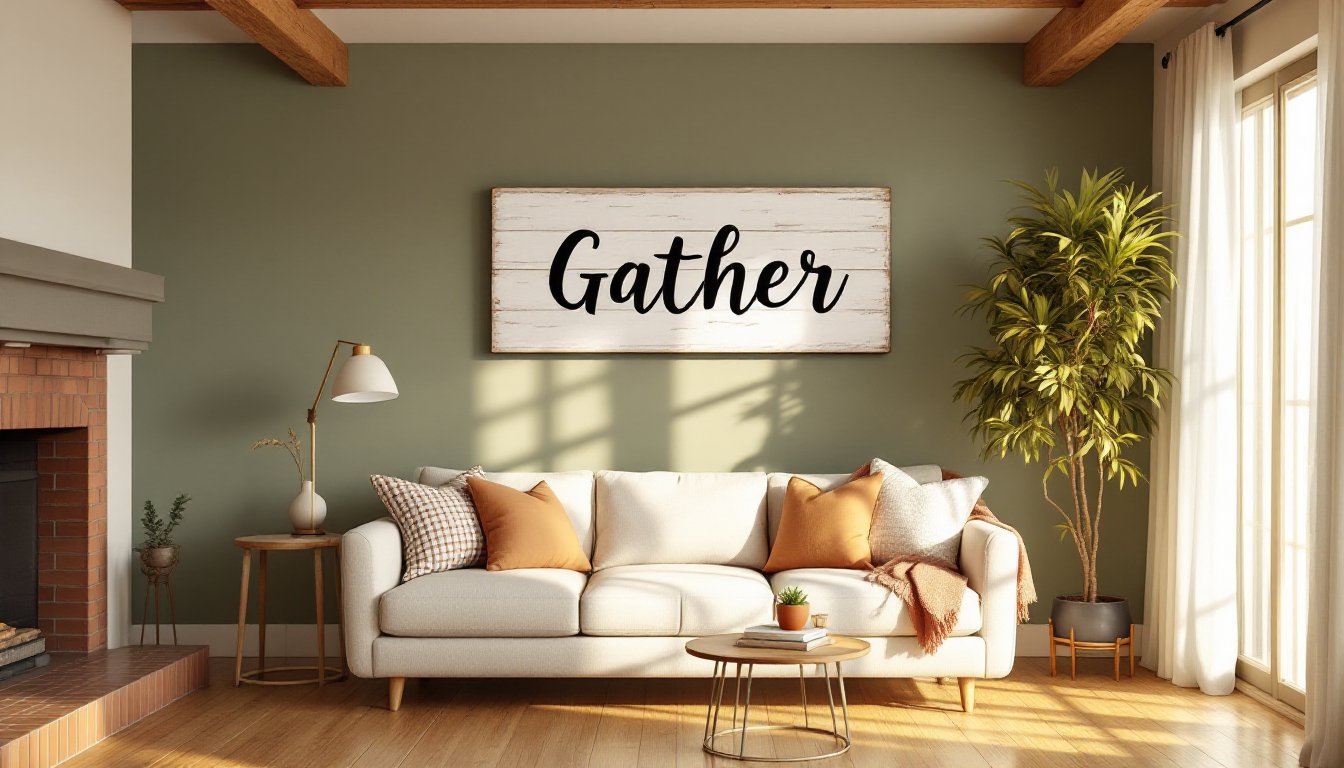
Rustic and farmhouse signs remain perennially popular because they carry an inherent warmth and authenticity. These typically feature wood bases, often reclaimed or distressed pine, with hand-painted lettering or routed designs. Common materials include whitewashed wood, natural stain, or black-painted surfaces, often with inspirational phrases, family names, or simple motifs like arrows or crosses.
These signs pair beautifully with warm color palettes, natural textures, and vintage or repurposed furniture. They work equally well in a cozy cottage aesthetic or a modern farmhouse design that blends rustic elements with clean lines. The key is authenticity: signs that look genuinely aged or handcrafted will land better than mass-produced pieces with artificial distressing. Pay attention to wood quality and finish durability, cheaper versions chip and fade quickly under typical living room lighting.
Modern and Minimalist Designs
Modern living room signs favor clean lines, limited typography, and materials like metal, acrylic, or matte-finish wood. These pieces often feature sans-serif fonts, geometric shapes, or subtle, sophisticated messaging. Colors skew toward monochromatic, black, white, gray, or natural metal finishes, with occasional bold accent colors in limited doses.
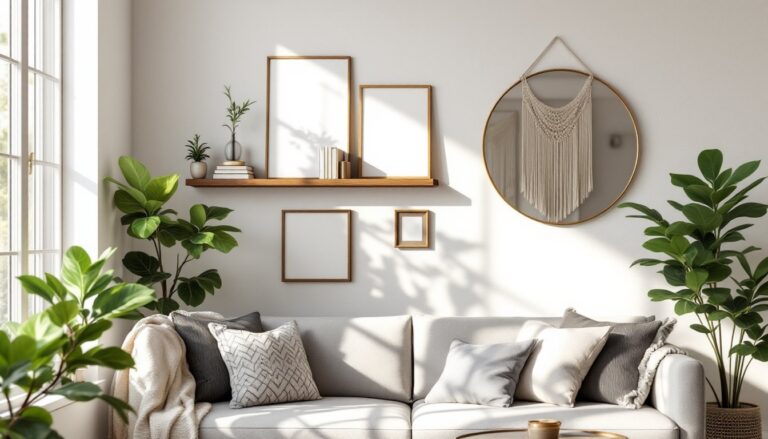
Minimalist signs thrive on white walls with abundant negative space, paired with contemporary furniture and minimal accessories. They’re excellent for urban lofts, mid-century modern interiors, or Scandinavian-inspired spaces. Metal signs, particularly brushed aluminum or powder-coated steel, age beautifully in these settings, developing a refined patina over time. The design philosophy here is restraint: every element serves a purpose, and nothing is extraneous. A single, well-chosen word or phrase is often more impactful than elaborate messaging.
How to Choose the Right Sign for Your Space
Start with the room’s existing design foundation. Identify the dominant color palette, the primary material textures (wood, metal, fabric, plaster), and the overall aesthetic, whether it reads as traditional, transitional, or contemporary. The sign should enhance, not clash with, these elements. A neon sign might feel out of place in a traditional living room with heavy drapery and antique furnishings, just as a weathered wooden sign might look incongruous in a minimalist, all-white space.
Consider scale carefully. A small, delicate sign gets swallowed in a large open living room: conversely, an oversized sign can overwhelm a modest or already-furnished space. Measure the wall and estimate the sign proportionally, a good rule of thumb is that the sign should occupy roughly one-third to one-half of the wall’s visual space if it’s the primary focal point. If it’s secondary, smaller is acceptable.
Think about message and longevity. Avoid overly trendy phrases that’ll feel dated in 18 months. Timeless options include family names, simple verbs (“Gather,” “Create,” “Dream”), or abstract designs that don’t rely on language. If personalization matters, custom or DIY options allow for specific dates, family names, or meaningful quotes that won’t lose relevance.
Material durability is practical, not just aesthetic. Wood signs in high-humidity areas (near kitchens, bathrooms) may warp or fade: sealed finishes help. Metal signs resist moisture but can rust if not properly coated. Acrylic and resin signs are durable and fade-resistant, making them ideal for sunny living rooms. Match material to both the design vision and the room’s environment.
Placement Tips for Maximum Impact
The most impactful placement is at or slightly above eye level, roughly 57 to 60 inches from the floor to the center of the sign. This positions the sign naturally in the sightline without requiring viewers to crane their necks. Above a sofa, position the sign 12 to 18 inches above the furniture: this creates breathing room and prevents a cramped feeling.
Wall space matters enormously. A blank wall above a console table, between windows, or on the wall opposite the primary seating invites a sign naturally. Conversely, avoid cluttering a wall that already holds artwork, shelving, or other décor elements unless the sign ties them together visually. If mixing signs with other wall art, establish a cohesive layout, align edges or create symmetry rather than random placement.
Lighting enhances presence. A sign positioned where it catches natural daylight or benefits from accent lighting (a picture light or uplighting) gains prominence and depth. Neon and LED signs perform best with intentional lighting to showcase their glow. Avoid placing signs in permanently dark corners where their detail disappears.
Hang securely and level. Use appropriate wall anchors for drywall (toggle bolts for heavy signs), masonry anchors for concrete, or studs if the sign is substantial. A crooked sign undermines even a beautiful design. Confirm the sign is level before tightening all hardware. For renters, removable adhesive strips rated for the sign’s weight offer a temporary, damage-free option, though they work best on smooth, clean walls.
Conclusion
A well-chosen decor sign transforms a living room from functional to intentional. By aligning style with the room’s design language, considering scale and placement, and selecting durable materials, homeowners make a statement that feels authentic, not forced. The beauty of signs lies in their versatility, they’re low-risk, high-reward design moves that invite personality into the space. Start with a clear vision of your room’s aesthetic, measure thoughtfully, and install securely. The result is a living room that looks purposefully designed and unquestionably yours.