

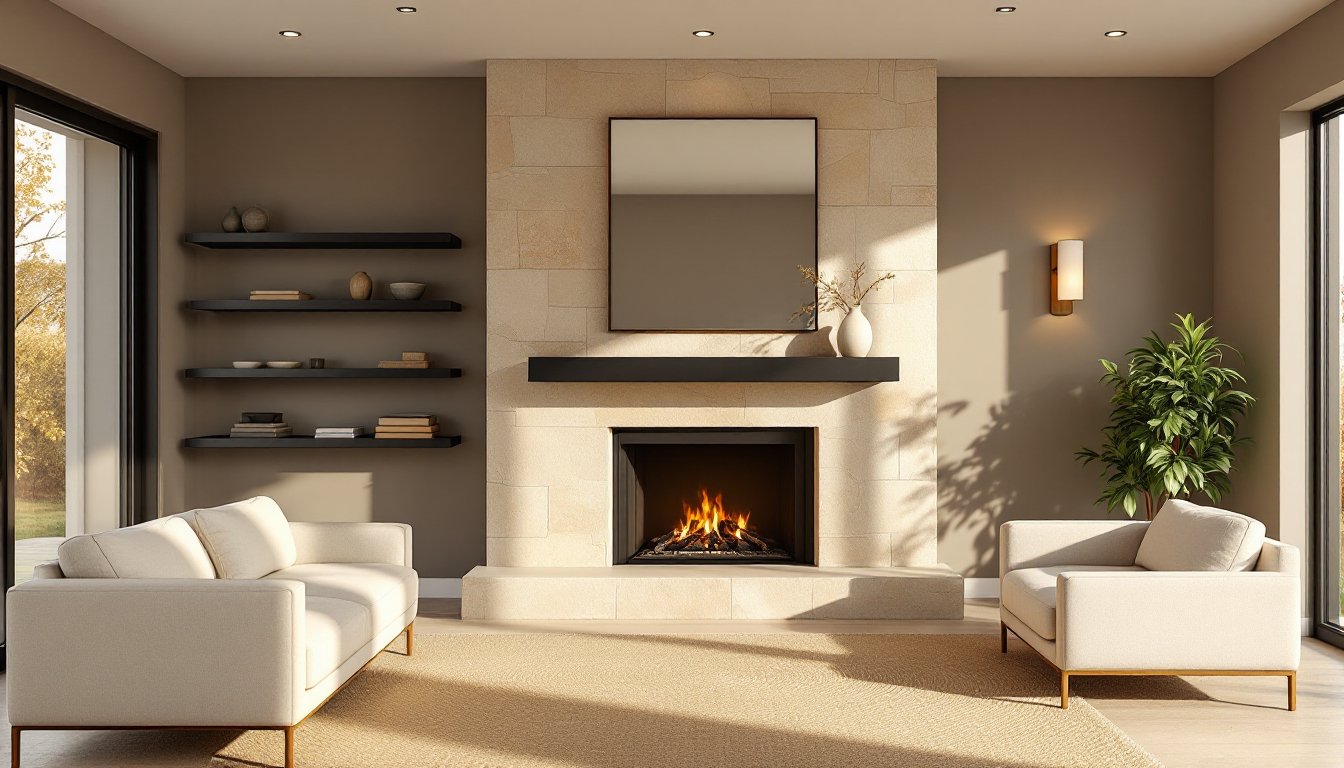
A stone fireplace is already one of the most eye-catching architectural features in a living room. The challenge isn’t finding the focal point, it’s making sure the rest of the space works with it, not against it. Whether the fireplace is already the star of the room or needs a style refresh, the right decor strategy can elevate the entire space. This guide walks through seven practical design approaches that work with different stone textures, room sizes, and personal aesthetics. From minimalist restraint to rustic warmth and contemporary edge, each idea comes with real decorating moves that DIYers and renters alike can execute without major renovation.
Key Takeaways
- A stone fireplace becomes a stronger focal point when surrounded by a clean, minimalist design that lets the natural texture and color lead the room’s aesthetic.
- Strategic lighting placement—including recessed upper lights, wall sconces, and warm-toned bulbs (2700K)—dramatically enhances stone texture and creates an inviting ambiance without costly renovations.
- Rustic stone fireplace styling amplifies the raw character of rough-hewn or fieldstone with dark wall colors, layered textures, and natural materials like reclaimed wood and leather for a lived-in feel.
- Complement your stone fireplace with a large-scale mirror or artwork above the mantel (roughly three-quarters its width) and gallery-style wall treatments on adjacent walls to balance visual weight.
- Ground the space with an area rug in colors that echo the stone (warm tan, soft gray, or muted sage) and natural flooring to create a cohesive living room where the fireplace feels intentionally designed.
Embrace Modern Minimalism Around Your Stone Fireplace
Clean Color Palettes and Sleek Furnishings
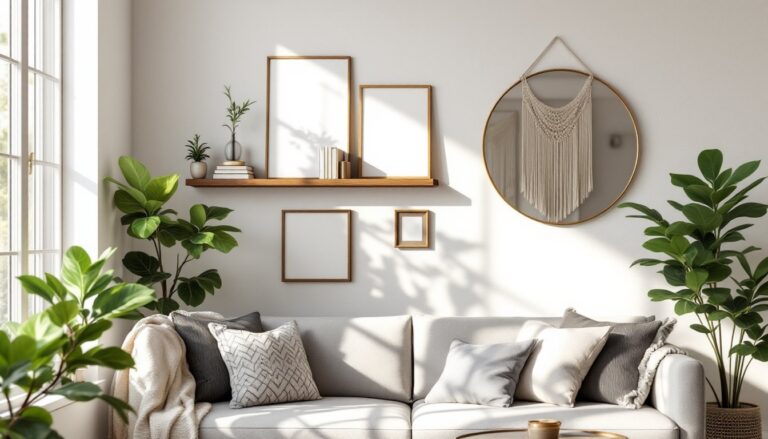
Minimalism makes stone work harder by reducing visual noise. The stone texture itself becomes the decor, no need to compete with patterns, busy artwork, or clutter. Start by keeping the mantel almost empty: one sculptural object, a simple mirror, or nothing at all. Paint surrounding walls in warm whites, soft grays, or warm taupes that let the stone color lead.
Furniture placement matters. A low-profile sofa positioned perpendicular to the fireplace (rather than facing it head-on) creates a calm, open-plan vibe. Add a sleek media console or floating shelves in matte black or natural wood on either side of the fireplace opening. Skip the ornate frames and fussy side tables, choose pieces with clean lines and minimal hardware.
Lighting should be recessed or wall-mounted, not dangling from the mantel. If the stone is light (cream, tan, gray), neutral upholstery in linen or performance fabric keeps things grounded. Accessories are few: maybe a potted plant with simple foliage, a ceramic vase in a single tone, or a stack of art books. The goal is visual rest. The eye lands on the stone’s natural variation and texture, then settles on the simple geometry of the room.
Warm Your Space With Rustic Stone Fireplace Styling
Create Drama With Dark Accents and Natural Elements
Rustic design leans into the stone’s raw, organic character. If the fireplace is mortared fieldstone, rough-hewn granite, or stacked slate, this approach amplifies those qualities instead of minimizing them. The mantel becomes a collecting ground: weathered wood frames, vintage brass candlesticks, leather-bound books, and woven baskets all feel at home here.
Color and texture are layered. Paint the wall behind the fireplace in a deep charcoal, forest green, or even a burnt sienna to frame the stone. Hang wrought-iron wall sconces on either side of the opening for functional and atmospheric lighting. A large reclaimed-wood mirror or an antique-frame piece hangs above the mantel, adding depth and softness to the hard stone surface.
Furniture choices emphasize natural materials: a leather sofa, a wood-frame armchair with wool upholstery, a coffee table made from reclaimed timber. Textiles are woven, chunky, and tactile, think jute rugs, linen throws, and plaid blankets draped over seating. Bring in plants with deeper foliage, hang a vintage ladder, or position a tall wooden shelving unit nearby. The space feels lived-in and connected to earth, and the stone anchors the entire aesthetic without needing to be pristine or polished.
Incorporate Lighting to Enhance Stone Texture and Ambiance
Stone has dimension, peaks, valleys, and color variation, that comes alive under the right light. Strategic lighting is one of the easiest, most affordable ways to make a stone fireplace feel intentional and designed.
Upper lighting (recessed or track) casts light downward across the stone surface, emphasizing texture and shadow play. Aim fixtures so they wash the stone face rather than pointing directly at it. Lower lights (table lamps on side tables, wall sconces flanking the mantel, or even LED strip lighting tucked into a mantel base) create a warm, intimate glow that works especially well for evening ambiance.
Color temperature matters. Warm white bulbs (2700K) feel cozy and enhance golden or reddish stone tones. Neutral white (3000–4000K) works better if the stone is gray or cool-toned. If the fireplace actually gets used, position sconces high enough that the light doesn’t glare when the fire is going.
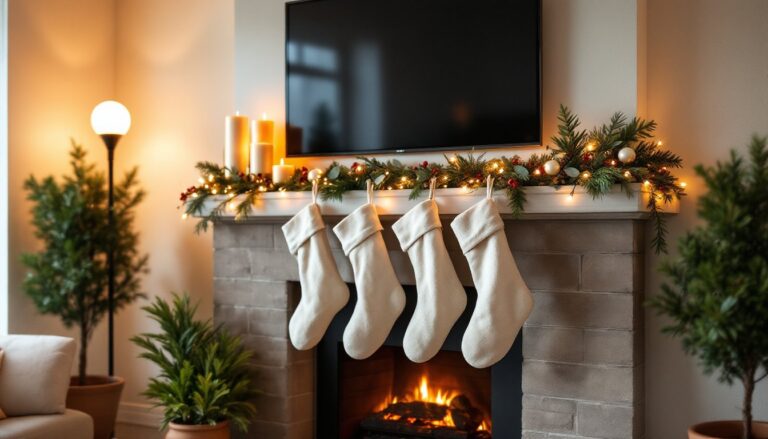
Consider a dimmable system so you can adjust intensity based on the time of day and mood. Candles on the mantel are low-tech but highly effective, they flicker and warm the space without electricity. Pendant lights hung at varying heights above a nearby seating area can focus attention without overwhelming the stone itself.
Balance Your Stone Fireplace With Complementary Wall Decor
A stone fireplace is an anchor, but it doesn’t have to be the only thing on the walls. The key is complementary balance, not competition.
Above the mantel, hang a single large-scale mirror, artwork, or architectural element in wood, metal, or a neutral frame. This piece should be roughly three-quarters the width of the fireplace opening. It echoes the fireplace’s substantial presence without shrinking it. If using a mirror, it bounces light around the room and makes the space feel larger.
On adjacent walls, consider gallery-style arrangements or a single feature piece in a complementary material. Wood paneling, shiplap, or vertical slat walls work well beside stone and add warmth without competing. Keep artwork neutral (black-and-white photography, abstract pieces in muted tones, or botanical prints) so the eye cycles between the fireplace and the walls without jarring color shifts.
Flooring should ground the composition. A natural wood floor or large-format tile in warm gray pairs beautifully with stone. Add an area rug that picks up a color from the stone (warm tan, soft gray, or even a muted sage) to define the fireplace seating zone. This layering, wall color, fireplace, mirror or art, rug, furniture, creates a complete, cohesive living room where the stone fireplace feels like the natural centerpiece, not an isolated feature.
Conclusion
A stone fireplace is a gift to any living room, it’s structural, timeless, and packed with character. The best decor approach depends on the stone’s existing color and texture, your personal style, and how much you want the fireplace to recede or command attention. Start with one idea from this guide, layer in lighting, balance with complementary wall treatments, and test accessories before committing to purchases. The result will be a living room where the stone fireplace feels like part of a thoughtfully designed whole, not a beautiful accident.