

A small living room doesn’t have to feel cramped or boring. The right wall decor transforms tight spaces into rooms that feel open, intentional, and full of personality. Whether working with 150 square feet or 250, the strategy is the same: use vertical space wisely, control the color flow, and layer in visual interest without clutter. This guide walks through seven proven wall decor ideas that work in real homes, not just magazine spreads. Each approach builds on sound design principles and practical installation methods DIYers can handle with basic tools.
Key Takeaways
- Use vertical wall art and tall gallery arrangements to draw the eye upward and make ceilings feel higher in small living rooms.
- Choose light, muted color palettes and introduce bold hues through artwork and accessories rather than painting all walls dark to avoid shrinking the space.
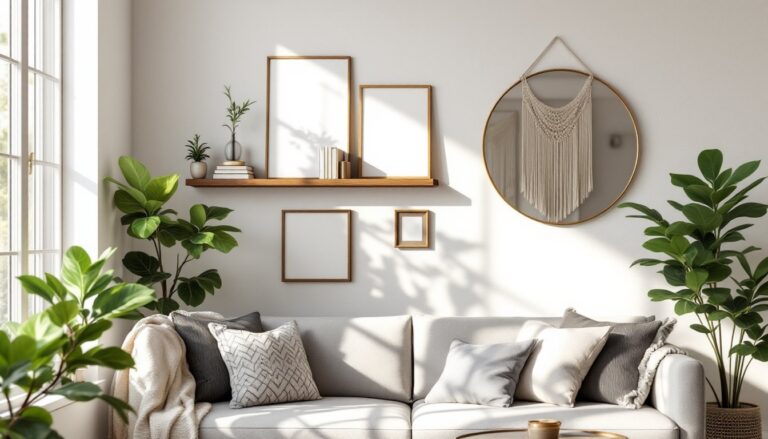
- Strategically place large mirrors opposite windows to reflect natural light and create the illusion of more depth and space.
- Install floating shelves at varying heights with 30% empty space to avoid visual heaviness while keeping small living room wall decor functional and stylish.
- Layer different textures—wood frames, woven tapestries, and natural fibers—to add dimension and prevent rooms from feeling flat or sterile.
- Anchor your small living room with a single bold statement piece like an oversized painting or mirror to prevent a scattered, busy feeling and create intentional design.
Maximize Visual Space With Vertical Wall Art
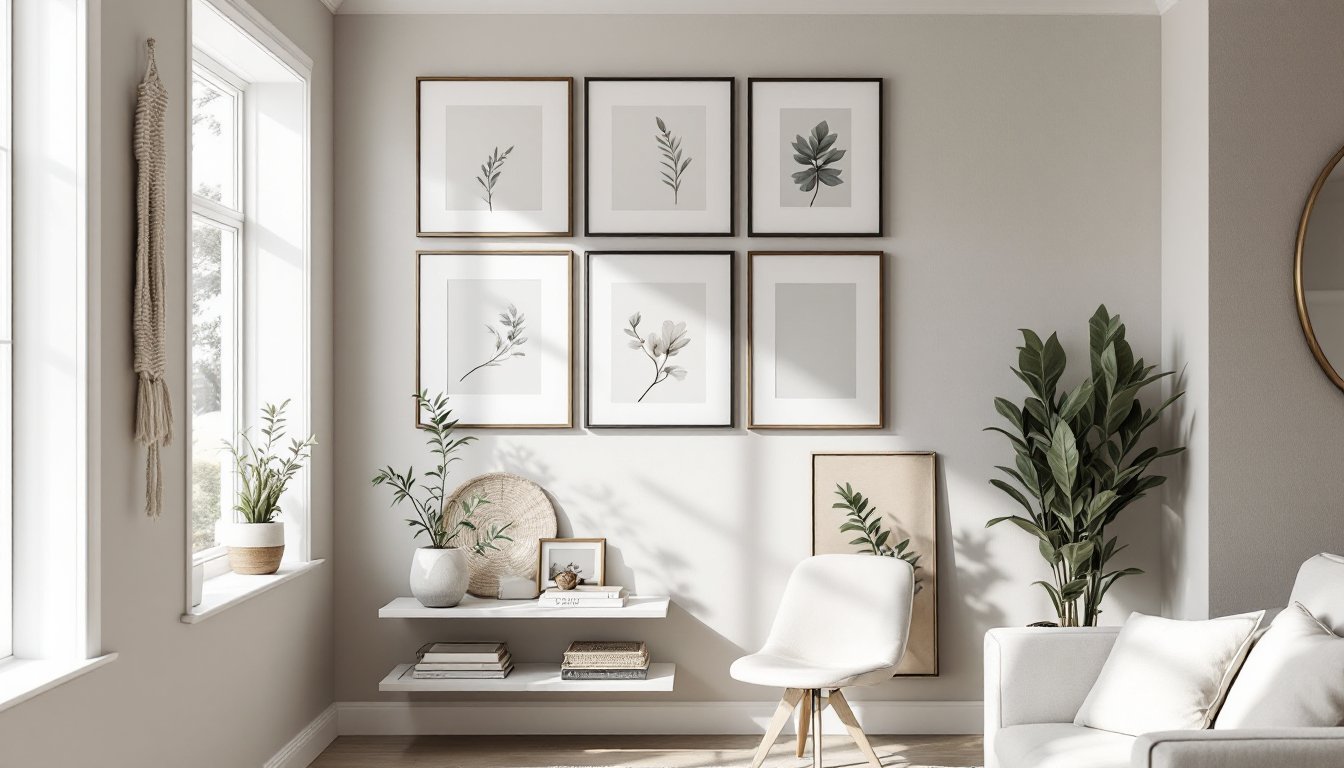
Small living rooms demand that every surface earn its keep. Vertical art draws the eye upward, making ceilings feel higher and walls feel less confining. Stacking framed prints, hanging a tall gallery wall, or installing a large single statement piece all accomplish this.
When hanging artwork, the center of the piece should sit at eye level, roughly 57 to 60 inches from the floor. In a small space, resist the urge to scatter small prints randomly: instead, group them into a cohesive arrangement. A 3-by-3 grid or a tall vertical stack of four to six prints creates rhythm and feels intentional. Use painter’s tape to mock up placement before driving nails: this saves walls and ensures spacing is even.
For renters or those hesitant about wall damage, adhesive picture hooks rated for the weight you’re hanging work surprisingly well on drywall and plaster. Lean artwork against shelves or on console tables for a temporary, flexible look. Canvas prints or unframed posters behind acrylic frames add dimension without taking up as much visual weight as traditional wood frames.
Choose the Right Color Palette for Walls and Accessories
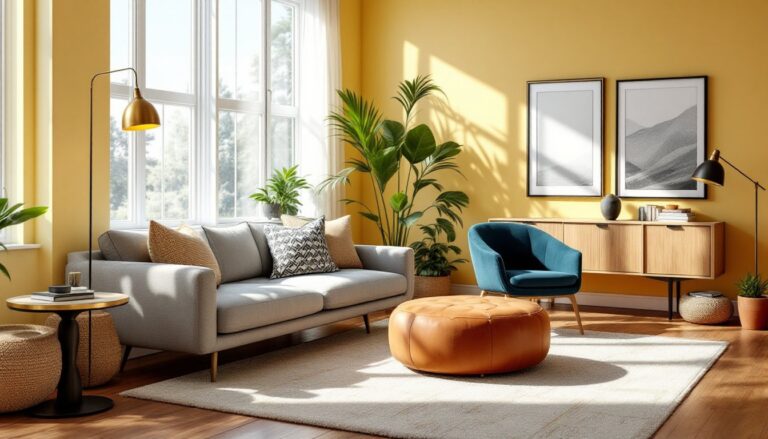
Color choice makes or breaks a small space. Light, muted tones open things up: bold, dark walls can shrink the room perceptually, though they can work beautifully if paired with the right accents.
Consider a pale neutral base, soft white, warm gray, or greige, on at least two walls. This anchors the room and allows wall decor to take center stage without visual chaos. Introduce color through artwork, textiles, and accessories rather than large wall areas. A single accent wall in a deeper shade works in small rooms when that wall is where the eye naturally lands, behind a sofa, for instance, but avoid painting all four walls in bold hues.
Pick two or three accent colors from your artwork and echo them in throw pillows, a rug edge, or shelf styling. This repetition ties the room together and makes small spaces feel cohesive. Matte finishes on walls (flat or eggshell paint) absorb light and create a calm backdrop, while semi-gloss trim and glossy art frames add subtle shine that reflects light and adds depth. Test paint samples by living with them on your walls for a few days: colors shift dramatically under different lighting times.
Incorporate Mirrors to Create Depth and Light
Mirrors are the small room’s secret weapon. A well-placed mirror reflects light, multiplies perceived space, and adds visual interest without adding bulk. Hang a large mirror (36 to 48 inches tall) opposite a window to bounce natural light around the room. Lean it casually against a wall for a softer look, or hang it with a D-ring or wire system for stability.
Skip perfectly symmetrical mirror placement: lean toward asymmetry for a modern feel. Group smaller mirrors (8 to 12 inches) with framed artwork to add variety in your wall arrangement. Ornate or colored frames draw more attention, while thin black or metallic frames blend in and feel contemporary.
Mirrors shouldn’t face into dark corners: position them to capture and reflect whatever light sources exist, windows, lamps, or even ceiling fixtures. Avoid mirror-to-mirror placement, which can feel disorienting. A single strategically placed mirror often outperforms three poorly positioned ones.
Use Shelving and Wall-Mounted Storage Creatively
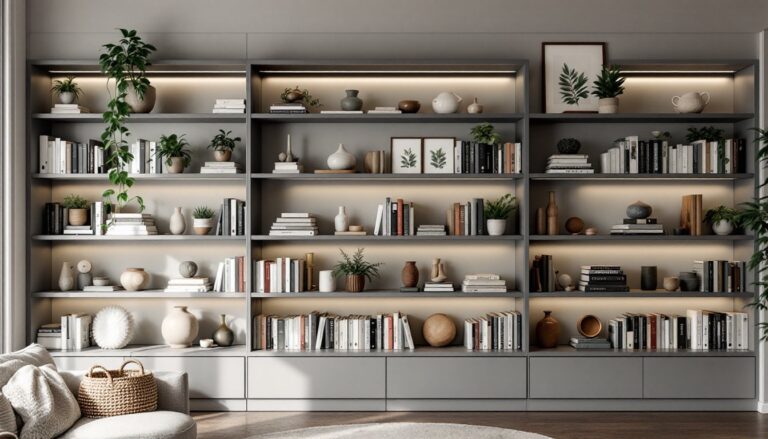
Wall-mounted shelves serve double duty: they organize items and become part of your décor. Floating shelves (typically 8 to 12 inches deep) keep sightlines clear, while cube shelving units provide enclosed storage that feels less cramped than freestanding bookcases.
Install shelves at varying heights to avoid a boxy look. Space them 12 to 16 inches apart (center to center) for function and aesthetics. Use toggle bolts or studs for weight-bearing installation: never rely solely on drywall anchors for anything heavy. A single shelf above a console table, two offset shelves flanking a window, or a trio of shelves ascending one wall all work in tight spaces.
Style shelves with a mix of objects, not solid clumps of décor. Place books spine-out, add a small plant, layer in a decorative box, and leave breathing room. The “lean and lean” trick, leaning a small frame or book against a bookend, adds height variation and prevents shelves from looking too grid-like. Keep at least 30 percent of shelf space empty to avoid visual heaviness.
Layer Textures and Materials for Visual Interest
Texture prevents small rooms from feeling flat or lifeless. Combine smooth, rough, matte, and glossy finishes across your walls and décor to add dimension that doesn’t require more square footage.
Mix artwork frames: pair wood frames with metal ones, lean a woven tapestry against framed prints, and layer a textured linen canvas next to a smooth acrylic piece. Add a macramé hanging, a woven wall basket, or a textile panel in natural fibers for organic warmth. These materials soften hard walls and make spaces feel inhabited rather than sterile.
Incorporate shiplap, beadboard, or peel-and-stick wallpaper panels on a small feature wall (or just one section) for architectural interest without enclosing the room. Use a matte vs. satin primer base, then a matte topcoat to avoid gloss that amplifies reflections. Materials like cork, jute, and wool add tactile quality. Textured wallpaper behind floating shelves, for instance, gives dimension to a blank wall without overwhelming the space.
Hang Statement Pieces That Anchor the Room
A single bold piece, a large painting, a sculptural wall hanging, a clock, or a decorative textile, can anchor an entire small room and become its focal point. This prevents the scattered, busy feeling that too many small items create.
Choose something that reflects your personality and works with your color palette. A 48-by-36-inch abstract canvas, a woven macramé wall hanging, or an oversized round mirror with a wood frame all work as anchors. Hang it at the natural focal point: behind the sofa, above a console, or at the center of a feature wall. Leave breathing room around it, don’t surround it with other art immediately. This approach feels intentional and prevents visual noise.
Statement pieces work best when they’re not fighting for attention. If you hang a bold, large painting, keep walls neutral and shelves simpler. If you layer multiple small artworks, make sure the overall palette ties together and spacing is tight and deliberate. The anchor piece sets the tone: everything else supports it.
Conclusion
Small living room walls aren’t a limitation, they’re an opportunity to be intentional about every choice. Use vertical space, keep color restrained, add mirrors for depth, and layer in texture and interest strategically. Anchor the room with a statement piece, then build around it. Most of these techniques require only a tape measure, a level, nails or hooks rated for your wall type, and a few hours. Start with one idea, maybe a gallery wall or a large mirror, and expand from there. Your small space can feel open, thoughtfully designed, and entirely yours.