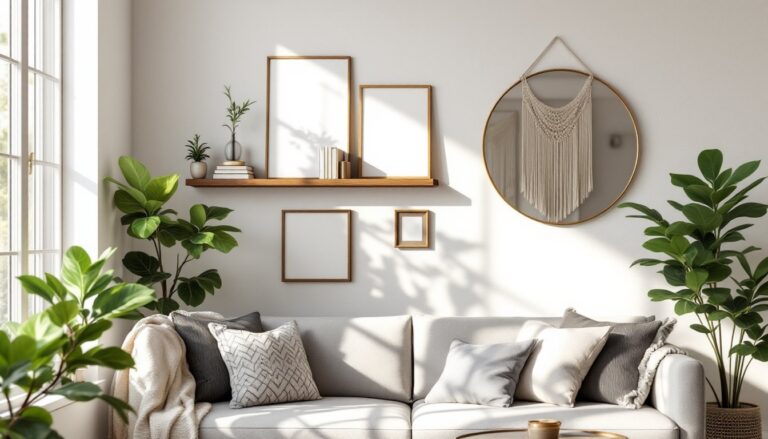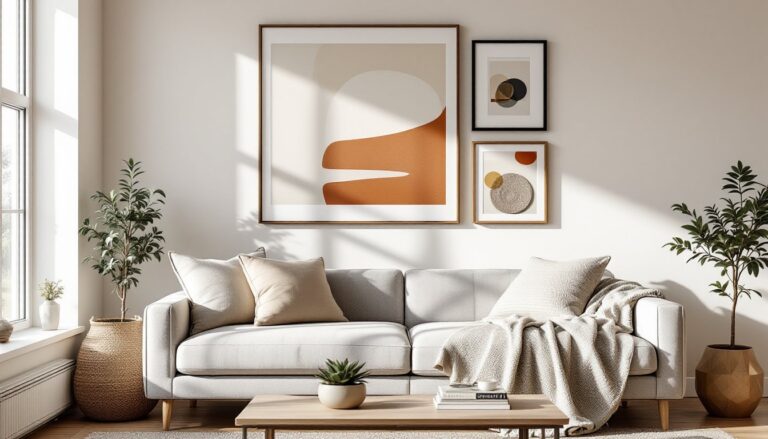


A living room bookshelf is more than storage, it’s a blank canvas that reflects personality and ties a room together. Whether someone has a modest three-shelf unit or a floor-to-ceiling built-in, the styling makes all the difference between a cluttered book dump and a curated focal point. In 2026, bookshelf design balances function with visual appeal, blending literary collections with intentional decor that doesn’t scream “I read design blogs.” This guide walks through practical ideas that homeowners can carry out regardless of shelf space, budget, or design experience. The goal isn’t perfection: it’s creating a living room bookshelf that invites eyes to linger and hands to pull down a book.
Key Takeaways
- Balance books with decorative objects using a 60–70% books to 30–40% objects ratio to create visual interest and prevent a cluttered look on your living room bookshelf decor.
- Organize by color blocking books into coordinated hues and layer in plants, photos, and objects at varying depths to achieve a gallery-like, sophisticated appearance.
- Mix symmetrical and asymmetrical arrangements with varied heights to create visual balance that feels modern and prevents monotony on your shelf.
- Incorporate natural elements like small potted plants, wood boxes, and stone to add texture and warmth without overwhelming your bookshelf design.
- Use warm-toned LED lighting tucked under shelves or clip-on picture lights to highlight your books and decor while creating evening ambiance.
- Organize books by multiple methods—theme, height, and spine color—rather than relying on a single system, so your bookshelf remains both functional and personally meaningful.
Mix Books With Decorative Objects
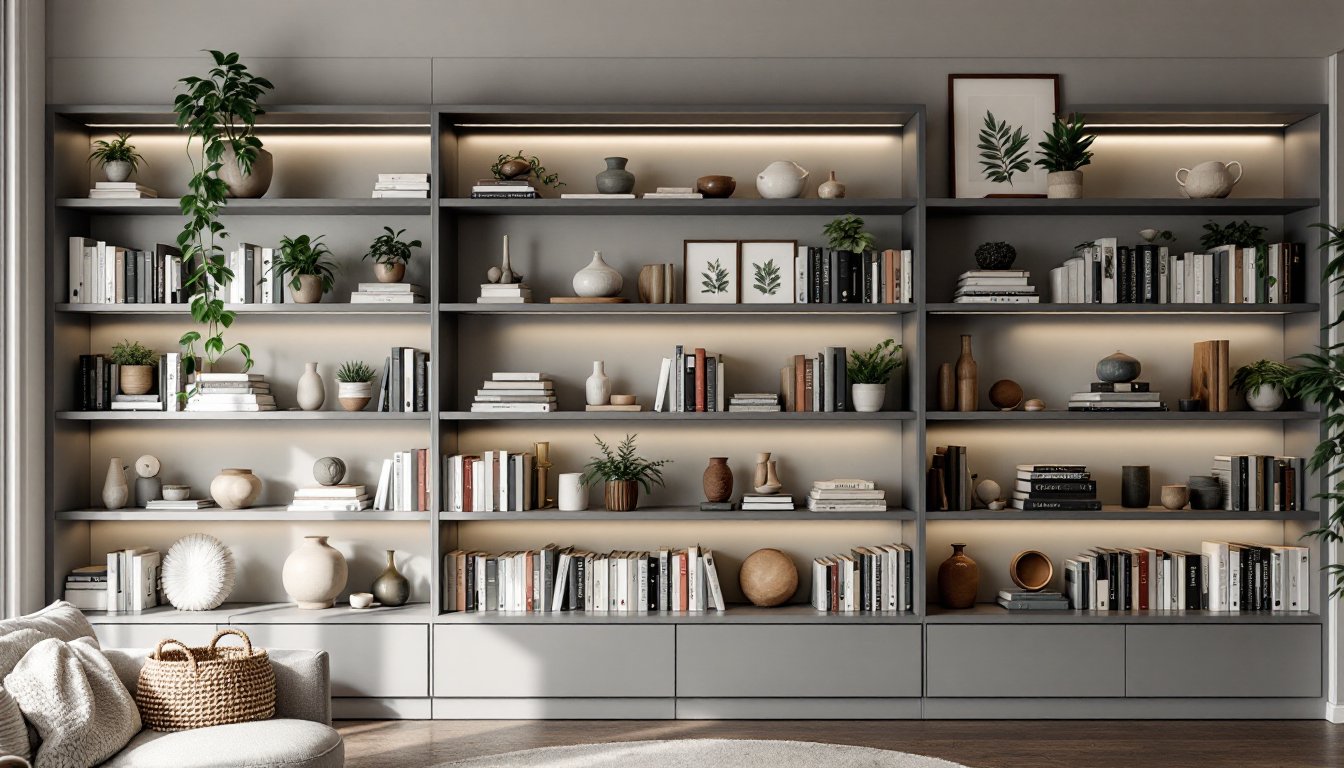
A shelf packed solid with books looks flat and inaccessible. The trick is breaking up spines with non-literary items that add dimension and pause the visual flow. Small framed prints, ceramic vessels, wood boxes, or sculptural pieces create pockets of interest. A simple rule: aim for roughly 60–70% books and 30–40% objects. This proportion prevents the shelf from feeling overstuffed while keeping books the anchor. Decorative objects aren’t throwaway clutter, they’re intentional selections that tie into the room’s color palette or style. A brass bookend paired with a linen-bound edition of a favorite novel signals thought, not accident. Stack a few books horizontally and lean a framed piece against the vertical spines for variety in height and direction. This mix creates rhythm without requiring a design degree: just alternate solid spines with breathing room where the wall shows through.
Embrace Color Blocking and Layering
Organizing books by spine color creates visual zones that are both calming and sophisticated. Rather than random placement, group similar hues: all blues together, then reds, then neutrals. This approach is called color blocking, and it transforms a chaotic shelf into something gallery-like. Layering deepens the effect. Place a small plant or a framed photo in front of a color block to add depth and prevent the block from feeling too flat. If a shelf holds mostly mismatched book spines, introduce a unifying element, perhaps a runner of linen or a painted wooden backing to the shelf itself. Paint isn’t permanent: a removable peel-and-stick wallpaper or fabric backing works too. Layering also means positioning objects at different depths: some pushed to the back, others pulled forward. This staggered arrangement feels dynamic and prevents the shelf from appearing like everything’s been shoved straight back against the wall.
Create Visual Balance With Symmetry and Asymmetry
Balance doesn’t mean identical twins flanking a centerpiece, though that works if the aesthetic fits. True balance is about weight and visual attention. A tall stack of heavy hardcovers on one side might be balanced by a sculptural piece and a small plant on the other. Asymmetrical shelves feel modern and lived-in. Try anchoring one end with a bold object, then distribute smaller items across the remaining space. The eye naturally travels and pauses, preventing boredom. For traditional rooms, light symmetry works well: a pair of bookends or matching lanterns with books stacked evenly between them. But even symmetrical arrangements benefit from breaking the pattern slightly, offset one book or add a small object in front to soften rigidity. Mixed-height arrangement matters too. Alternate tall stacks with short piles. Use risers (even small wooden blocks hidden behind books) to lift shorter items forward. This prevents a flat, uniform look where everything sits at eye level.
Incorporate Natural Elements and Plants
A living green plant on a bookshelf softens hard edges and brings the outdoors in without competing with books. Small pothos, air plants, or even a low-light tolerant snake plant work on shelves without fussing. Pair greenery with natural materials: wood boxes, woven baskets, stone coasters, or a small piece of driftwood. These materials echo the garden-like quality of plants while tying into broader earth-tone trends that have staying power. Layering textures creates depth, a rough ceramic pot next to a smooth wooden book stand, for instance. Be practical about water though: elevated shelves near electronics or valuable books mean moisture risks. Use well-draining pots with saucers, or opt for low-water or decorative-only plants like succulents and air plants if the shelf location is exposed. A faux plant isn’t cheating if real plants won’t thrive in that environment. The goal is visual and tactile interest, not a wilted stem that makes the shelf look neglected.
Use Lighting to Highlight Your Shelves
Lighting transforms a daytime bookshelf into a nighttime focal point. Subtle LED strip lights tucked along the underside of each shelf cast a warm glow downward and make spines and decorative objects stand out. Battery-operated options avoid visible wiring and are simple to install on rental-friendly shelves. Warm white (2700K) bulbs feel inviting, while cooler temps can feel clinical. For a different approach, place a small table lamp on a lower shelf pointing upward, or use clip-on picture lights above the shelf. These tools aren’t just pretty, they’re functional if the room’s overhead lighting is dim. The trick is making light look intentional, not like emergency back-up illumination. Let light bounce off objects to create shadows and depth: avoid washing everything in flat brightness. If the bookshelf is a true focal point, investing in warm, dimmable lighting pays off in evening ambiance and the shelf’s visual weight in the room.
Organize by Theme, Height, and Spine Color
Organization is the backbone of good bookshelf styling. Mixing organization methods prevents everything from looking chaotic or sterile. Group books by theme (fiction, design, travel) if it makes sense, then within those groups, arrange by height, tallest to shortest or in a staggered pattern. Spine color becomes the secondary organizing principle once height is set. This layered approach works because it honors the books’ function while letting aesthetics shine. Some shelves read better with all spines facing out: others work with a mix of spine-out and top-down stacks. Experiment to see what feels balanced. Labels or a small handwritten index card at shelf’s edge can indicate themes without being obtrusive. For fiction readers who don’t care about author order, alphabetizing by color and height is honest and looks intentional. The goal is an arrangement that makes sense to the person living with the shelf, not one that looks perfect in a magazine but drives the owner nuts trying to find a book.
Conclusion
Styling a living room bookshelf in 2026 is about blending books, objects, natural materials, and thoughtful arrangement into a space that works and feels personal. There’s no single right answer, the best shelf reflects what matters to the person who uses it. Start with a clear-off, group like with like, then layer in color, balance, and breathing room. Lighting and natural elements add the final polish. The payoff is a focal point that invites conversation, holds favorite reads, and makes the living room feel complete.