


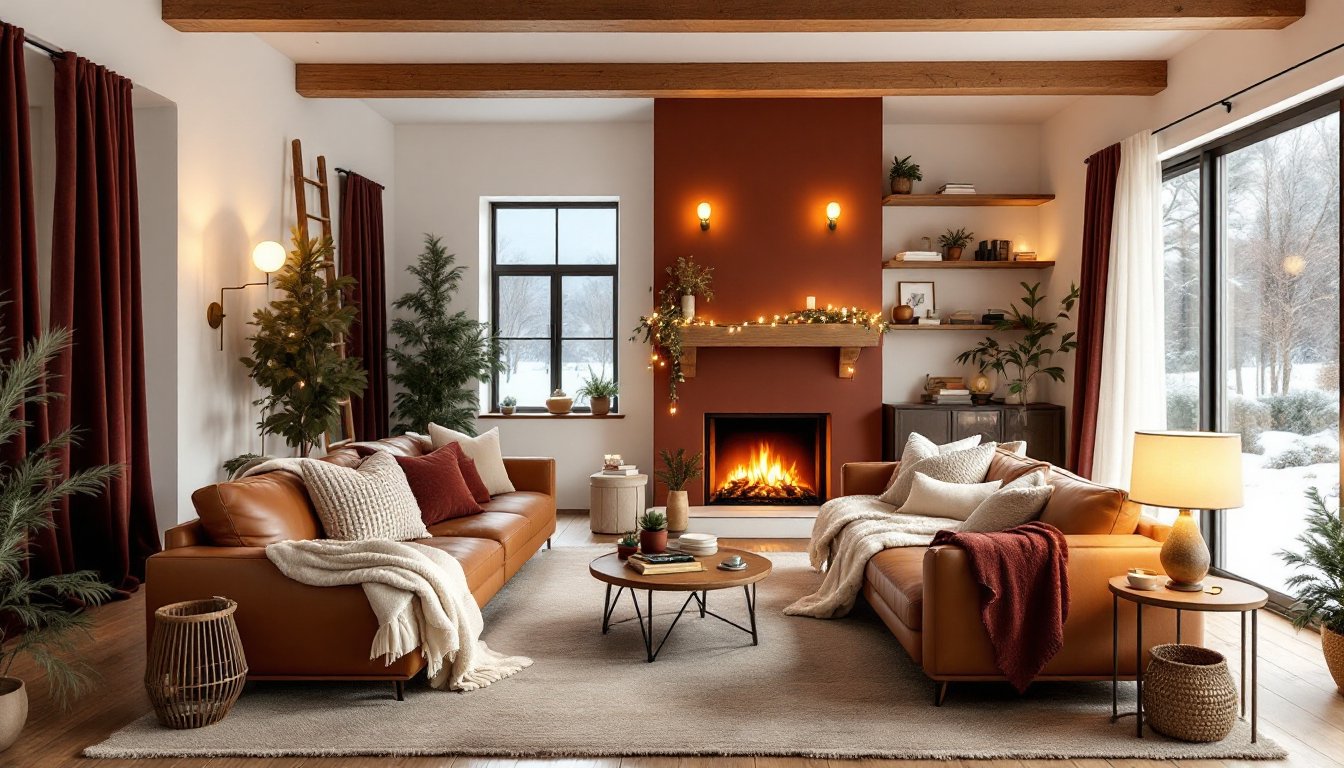
As temperatures drop, a cold, uninviting living room becomes harder to overlook. Winter living room decor isn’t just about aesthetics, it’s about transforming the space into a sanctuary where people actually want to spend time. The difference between a room that feels drafty and uncomfortable versus one that radiates warmth comes down to intentional choices in lighting, color, textiles, and seasonal touches. This guide walks through practical strategies for creating warm winter living room decor that feels genuinely cozy without relying on expensive renovations or trendy shortcuts. With the right layering techniques and material selections, any living room can become an inviting retreat during the colder months.
Key Takeaways
- Layer multiple light sources with warm white (2700K) bulbs and dimmer switches to create the warmth and ambiance that transforms winter living room decor.
- Choose warm color palettes including earth tones, soft neutrals, and jewel tones paired with warm metals like brass and copper to make spaces feel intimate and inviting.
- Invest in quality textiles such as substantial area rugs, throw blankets, and heavy-fabric drapes in warm tones to absorb sound and add visual coziness.
- Incorporate natural elements like wood accents, winter greenery, ceramics, and candles to ground the space and reinforce intentional seasonal warmth.
- Create a cozy winter retreat without expensive renovations by strategically layering these four design elements throughout your living room.
Layer Your Lighting For Maximum Warmth
Lighting is the single biggest factor in how warm a room actually feels. A single overhead fixture creates harsh shadows and makes spaces feel cold and institutional. Instead, layering multiple light sources at different levels creates depth and warmth.
Start with ambient lighting, this is your base layer. Ceiling fixtures, wall sconces, or recessed lights set the overall brightness. Replace standard cool white (4000K–6500K) bulbs with warm white (2700K) LED bulbs. The color temperature measured in Kelvin directly impacts how the human eye perceives warmth. Warm white mimics incandescent light and makes skin tones and wood finishes look richer.
Next, add task lighting for reading and activities. A floor lamp in a corner or beside a chair provides focused light without overhead glare. Table lamps on side tables near seating areas serve double duty, they’re functional and create visual interest at eye level.
Finally, layer in accent lighting with dimmer switches. String lights, candles, or a small desk lamp can be positioned to highlight architectural features or create ambiance. Dimmers are essential, they let occupants adjust warmth throughout the day. A room that feels welcoming at 6 PM might feel too bright at 9 PM, and dimmers solve that instantly.
Look for lamps with linen or frosted glass shades in warm tones rather than clear or chrome finishes. These diffuse light and reduce harshness. Don’t overlook fireplace inserts or electric fireplaces either, the flickering light creates unmatched coziness and serves as both ambient lighting and focal point.
Warm Color Palettes That Transform Your Space
Color is the second lever for creating warmth. Warm colors advance visually and make spaces feel more intimate, while cool colors recede and feel distant.
Neutral Tones and Earth Hues
Neutrals form the safest foundation for winter living rooms. Warm whites, soft grays, taupes, and creams create a calm backdrop without overwhelming the space. Layer these with warm wood tones, honey oak, walnut, or reclaimed finishes all read as inviting compared to white or gray woods.
Earth tones like terracotta, sage green, warm ochre, and chocolate brown add depth without requiring a full repaint. These colors pair well with natural materials and create a grounded, approachable feel. A single accent wall in warm taupe or soft terracotta can anchor a room without major expense. Paint is one of the quickest, cheapest ways to shift perception.
When choosing wall color, get large paint samples and observe them at different times of day. Morning light, afternoon sun, and evening lamplight all render colors differently. Cool artificial light reveals undertones that daylight hides. Spend at least two days with samples before committing.
Embrace Rich Jewel Tones
For a bolder approach, jewel tones like deep emerald, sapphire, burgundy, or gold create luxury and drama. These work best on accent walls, built-ins, or as primary colors in small rooms. In larger spaces, they’re better suited to furnishings and textiles rather than all four walls, which can feel cave-like.
Jewel tones pair beautifully with warm metals, brass, copper, and warm gold accents feel richer than silver or chrome. Accent lighting reveals the depth in jewel tones, making them even more inviting at night. A burgundy accent wall with brass wall sconces and warm lighting creates instant sophistication.
Textiles and Soft Furnishings
Textiles do the heavy lifting in winter decor. They absorb sound, add visual warmth, and make spaces feel lived-in rather than sterile.
Start with a soft, substantial area rug in warm tones. Dark rugs anchor a space: lighter rugs make it feel airier. Natural fibers like wool, jute, or cotton blends hold warmth better than synthetic materials and age beautifully. A rug should be large enough that front legs of major furniture sit on it, this visually ties the room together. In a typical living room, this means 8×10 feet minimum.
Throw blankets and pillows are the quickest, most flexible way to add warmth. Drape blankets over sofas and chairs, they’re both practical and visually cozy. Layer pillows in complementary textures: linen, velvet, wool, and knit all feel different and inviting. Aim for 3–5 pillows per sofa depending on size. Mix solid colors with subtle patterns to avoid visual noise.
Upholstered furniture itself matters enormously. A sofa with a chunky knit slipcover or performance fabric in a warm tone feels more inviting than a sleek, thin-upholstered modern piece. Leather is fine in warm cognacs or taupes, but cold blacks and grays feel less winter-cozy. Sectionals and deep seating invite people to linger, which is the whole point of winter living room design.
Curtains or drapes in heavier fabrics like velvet, linen, or wool-blend provide insulation and visual warmth. Sheer curtains alone feel cold: layering them with heavy panels adds richness. Full-length drapes that puddle slightly on the floor create elegance without fussiness.
Natural Elements and Seasonal Accents
Winter brings the perfect excuse to bring nature indoors. Natural materials inherently feel warm, and seasonal touches remind inhabitants that coziness is intentional.
Wood accents are foundational. Exposed beams, wooden shelving, wooden side tables, and wooden frames all warm up a space faster than metal or glass. Even small touches, wooden boxes for storage, wood-sliced wall art, or a wooden ladder blanket rack, shift the overall feel. Reclaimed or distressed wood reads as more authentic than high-gloss finishes.
Greenery adds life and freshness. Winter-hardy potted plants like ferns, peace lilies, or snake plants thrive indoors and improve air quality. Garland or festive branches in vases are low-commitment seasonal touches that don’t require watering. Fresh pine or cedar branches smell amazing and cost almost nothing from local nurseries.
Stone and ceramics add texture and grounding weight. A ceramic vase, stone bookends, or a slate coaster set all feel substantial and inviting. These materials also pair naturally with warm metals and wood.
Seasonal accents should be curated, not cluttered. A well-styled mantel with 5–7 pieces (candles, a wooden sign, a photo frame, greenery) feels intentional. A shelf filled with 20 small decorations reads as chaotic. Rotate seasonal items quarterly rather than keeping everything out year-round.
Candles deserve their own mention. Real flame candles (soy, beeswax, or paraffin) add unmatchable ambiance and subtle scent. Even unlit, they’re decorative. Group candles in odd numbers (3, 5, 7) and vary heights for visual interest. Unscented or subtly scented candles avoid overwhelming a space.
Conclusion
Creating a warm winter living room doesn’t require a full renovation or six-figure budget. Layer lighting intentionally, commit to a warm color palette, invest in quality textiles, and bring in natural elements. These four strategies work together to make a room feel genuinely inviting. The goal isn’t magazine-perfection, it’s a space where people naturally gravitate, settle in, and linger through the coldest months.