

A dedicated home gym is only half the battle, the walls around you matter far more than most DIYers realize. While equipment does the work, the environment shapes the mindset. Whether someone’s setting up a garage workout corner or a polished basement studio, the right wall decor transforms a bare room into a space that actually motivates movement. This isn’t about Pinterest-perfect aesthetics: it’s about functional design that keeps the focus sharp and the energy up. From strategically placed mirrors that expand sightlines to motivational signage that lands when energy dips, the choices made on those four walls directly influence how often and how hard someone trains. The good news: most home gym wall projects require only basic tools, modest budgets, and a bit of planning, no contractors needed.
Key Takeaways
- Home gym wall decor goes beyond aesthetics—mirrors, storage, and lighting are functional design elements that directly improve form awareness, safety, and motivation.
- Motivational signage works best when personal and process-focused (like ‘Discipline beats motivation’) rather than generic, and should be positioned at eye level for maximum impact during workouts.
- Proper wall-mounted storage solutions, including pegboards, shelving, and equipment racks, eliminate floor clutter while creating visual structure and preventing injury hazards.
- LED lighting at 5000K (daylight white) with matte wall finishes prevents eye strain and glare, transforming your home gym wall environment into a space that promotes focus and form accuracy.
- A well-designed home gym wall requires only basic tools, modest budgets, and strategic color choices (dark grays, bold accent walls) to create an inspiring atmosphere that reinforces daily training commitment.
Why Wall Decor Matters in Your Home Gym
The walls in a home gym aren’t just backdrop, they’re part of the workout machinery. A well-designed wall environment reduces distractions, reinforces discipline, and keeps motivation high during solo sessions. Studies on environmental psychology show that visual cues and ambient design directly impact performance and persistence. A bare, dingy garage or corner feels like a chore: a thoughtfully decorated space feels like an investment in oneself.
Functional decor, mirrors, storage, and lighting, solves real problems. Mirrors let someone watch form without rigs and cameras: wall-mounted storage keeps equipment accessible and floors clear: proper lighting prevents eye strain and injuries from poor visibility. Motivational signage and color choices act as psychological anchors during tough sets. The key is avoiding clutter: every piece on those walls should either function or fire up. Beauty is secondary to purpose in a workout space.
Motivational Wall Art and Signage
Motivational signage works best when it’s personal and specific, not generic. A framed PR (personal record) or a quote that actually resonates lands harder than mass-produced inspiration posters. Many DIYers use vinyl decals applied directly to drywall, cheap, removable, and effective. Brands like Etsy sellers and local sign shops offer custom options. Application is straightforward: clean the wall with a damp cloth, let dry, then peel and apply the decal carefully from one corner.
Another approach is framing art or printing motivational quotes on foam board (½-inch or 1-inch foam core) and mounting with 3M damage-free strips or French cleats (two beveled strips interlocking on wall and frame back). French cleats hold heavier frames and can be adjusted level without taking down. For text-heavy designs, chalkboard or dry-erase paint creates an updatable space to track workouts, goals, or daily mantras, just ensure the wall surface is clean and use primer underneath.
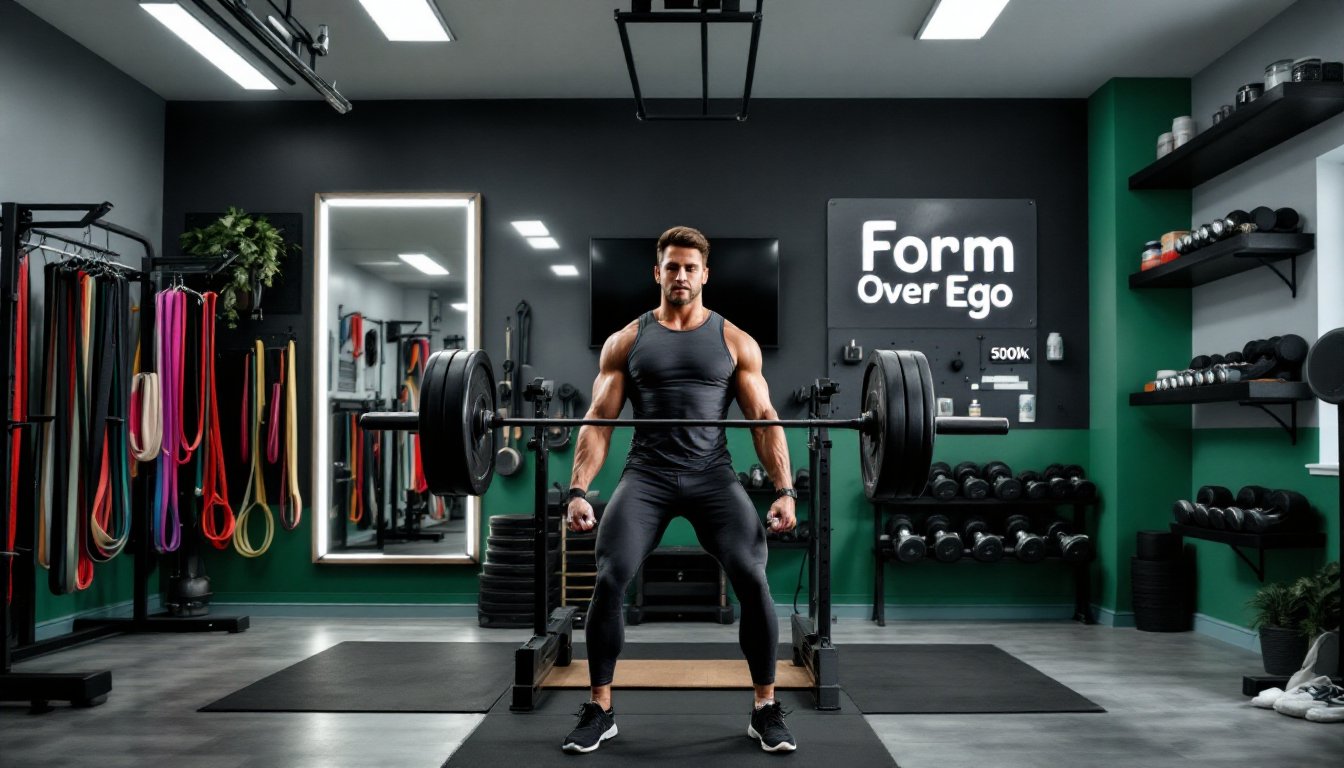
When selecting art, avoid purely aspirational imagery. Instead, choose quotes or images that reinforce the process: “Discipline beats motivation” or “Form over ego” are more useful during a hard session than generic “no pain, no gain” messaging. Keep decor at or slightly above eye level to catch attention naturally during rest between sets.
Mirrors and Functional Design Elements
Mirrors are non-negotiable in a home gym, they expand perceived space, improve form awareness, and cut isolation. A single full-length mirror (48–60 inches tall, mounted at standard heights) is a good start. For larger spaces, multiple mirrors create a professional studio feel without expensive renovations.
Mounting is critical. Mirrors are heavy and dangerous if they fall. Wall studs are the safest anchor points. Use heavy-duty mirror mounting kits that include Z-clips or French cleats, not adhesive alone. Locate studs with a stud finder, mark studs at 16-inch centers, and secure with appropriate fasteners (toggle bolts if studs miss, but always aim for studs). Measure carefully: a 3-foot by 5-foot mirror weighs 60–80 pounds. If the wall won’t support mirrors, or if securing them is risky, freestanding mirror panels lean against walls safely and can be repositioned.
Beyond mirrors, pegboards offer dual benefits: visual interest and tool/band storage. A ¼-inch pegboard panel mounted on 1×3 furring strips (which space the board from the wall for hook clearance) keeps resistance bands, handles, and small tools organized and visible. Finish pegboard with paint or leave natural: both work. This approach combines decor with function and keeps the floor clear, a safety necessity in a workout space.
Storage Solutions That Double as Decor
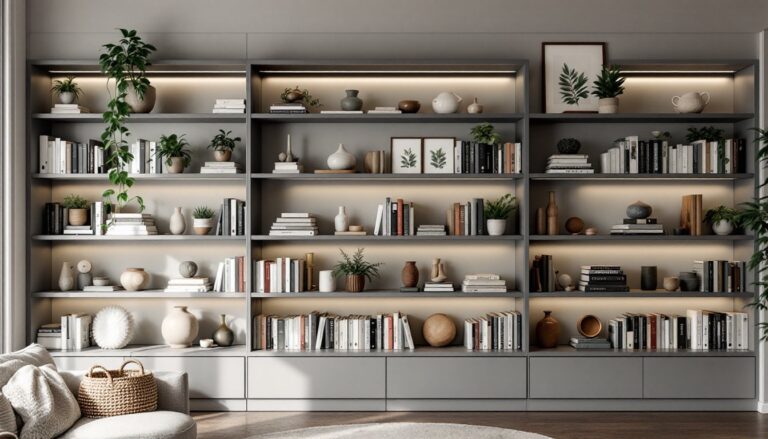
Smart storage elevates a space visually while solving the clutter problem that kills motivation. Wall-mounted shelving (floating shelves or traditional brackets) displays smaller equipment and accessory collections in organized rows. Open shelving works if items are neat: if not, closed wall cabinets (simple plywood boxes with doors, painted to match) keep mess hidden while maintaining a polished look.
For heavier items like dumbbell sets or kettlebells, wall-mounted racks designed for specific equipment prevent floor sprawl. A simple angle-iron dumbbell rack bolted to studs holds 10–15 pairs and takes up minimal floor space. Kettlebells hang on heavy-duty wall hooks spaced 12–16 inches apart on a stud-backed wall. Paint racks or hooks in contrasting colors (matte black on white walls, for instance) to turn practical storage into intentional design.
Resistance band pegs and pull-up bar mounts serve the same dual purpose: they keep equipment accessible and create visual structure. A pull-up bar mounted in a doorway frame or bolted into ceiling joists should be inspected for solid support, a falling bar mid-rep is a serious injury risk. Always verify the wall or door frame can handle bodyweight plus dynamic force. Poorly secured equipment isn’t decor: it’s a liability.
Lighting and Ambiance for Your Workout Space
Poor lighting leads to poor form and eye strain: the right lighting transforms the experience. LED panel lights mounted on ceilings or upper walls provide even, flicker-free illumination without the heat of traditional bulbs. A 5000K color temperature (daylight white) is ideal for workout spaces, it’s energizing and accurate for form checks. Avoid warm yellows (2700K) that feel sluggish in a gym context.
Ceiling-mounted options work best, but if that’s not feasible, wall-mounted LED strips or track lighting directed at the mirror wall and lifting area create focused visibility. Install LED strips with adhesive backing (ensure the wall is clean and dry first) or use mounting clips for easier removal later. For renters or temporary setups, tripod work lights or clip lamps clipped to equipment or shelves offer flexibility without wall modification.
Ambiance goes beyond brightness. Subtle accent lighting (colored LED strips, softer spotlights) in workout corners creates psychological separation from the rest of the home, signaling “this is a different mode.” A single warm accent light in a stretching or cool-down corner works well. Consistency matters: flickering, insufficient, or overly bright lighting kills focus. Test the setup during a workout, shadows and glare become obvious mid-set.
Color Schemes and Wall Finishes That Inspire
Wall color directly impacts energy and focus. Dark grays and blacks convey intensity and professionalism: they also hide equipment shadows and dirt. Bright whites or light grays feel open and clean but can reflect too much light if lighting is already intense. Bold accent colors work in small doses, a single deep blue or forest green wall provides visual interest without overwhelming the space.
Matte finishes (flat or eggshell paint) absorb light and suit gyms better than glossy finishes, which create glare. Use semi-gloss or satin primer on the first coat to ensure durability in a high-sweat environment: drywall in gyms takes abuse from equipment, humidity, and contact. Paint is relatively inexpensive, a gallon of quality paint covers about 350 square feet, so a small basement gym (say, 400 square feet of wall) needs roughly one gallon plus primer. Budget $50–120 for paint and supplies depending on quality.
For variety without commitment, removable wallpaper or wall decals in geometric or grid patterns add visual texture without the permanence of paint. Ensure the wall surface is smooth and clean before application. Many DIYers combine a neutral base wall (gray or soft white) with one bold accent wall and structured decor (shelving, mirrors, signage) to create depth and prevent monotony during long training sessions.
Conclusion
Home gym wall decor isn’t vanity, it’s infrastructure. Every element should either function (mirrors, storage, lighting) or motivate (signage, color, atmosphere). Start with the essentials: mirrors for form, proper lighting to prevent injury, and organized storage to keep the floor safe. Add motivational decor and color choices that match personal style. Most projects need only basic tools, a level, a stud finder, and honest assessment of mounting surfaces. The investment, both in time and money, pays dividends every session. A properly designed home gym walls feel like a space worth showing up to every day.