

A well-designed living room starts with the walls. Whether he’s working with a compact apartment or a sprawling family den, masculine wall decor sets the tone for the entire space, and it doesn’t require a designer’s budget or someone else’s aesthetic taste to pull off. The key is choosing colors, finishes, and displays that reflect personality while maintaining balance and purpose. Modern men are ditching the sterile “man cave” clichés in favor of sophisticated, lived-in spaces that actually look intentional. This guide walks through seven practical strategies for transforming blank walls into a cohesive backdrop that works as hard as he does.
Key Takeaways
- Choose neutral base colors like warm gray or soft taupe for men’s living room wall decor, then add one strategic accent wall in deeper tones to create a sophisticated, intentional look.
- Display large-scale wall art (24×36 inches or bigger) rather than scattered small frames to make a powerful statement that anchors the room’s aesthetic.
- Install floating shelves with proper stud mounting and staggered heights to break up wall space while creating layered display opportunities without visual clutter.
- Add textural depth with shiplap, wainscoting, or textured wallpaper in finishes that match your room’s style—matte black shiplap works contemporary, while natural wood feels warm and lived-in.
- Curate personal collections strategically by grouping items on shelves or in framed shadowboxes, and rotate displays seasonally to keep the space feeling fresh and intentional.
Choose The Right Color Palette For Your Space
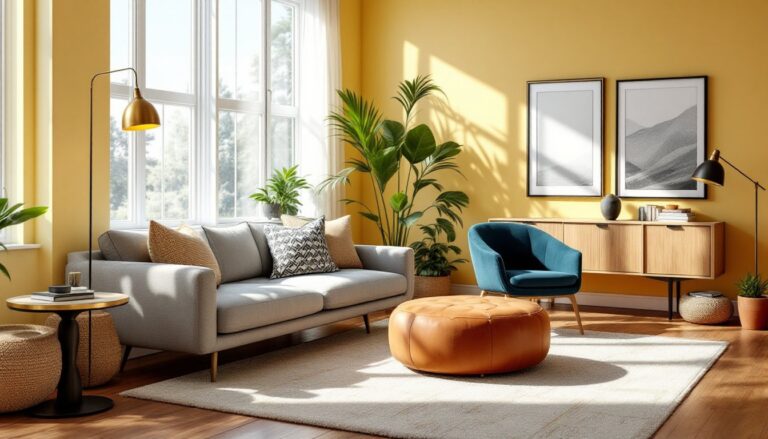
Color is the fastest way to anchor a room’s mood. Neutral base colors, charcoal, warm gray, soft taupe, or even muted olive, provide a calm foundation that lets other elements breathe. These shades work across different lighting conditions and don’t fight with furniture or artwork.
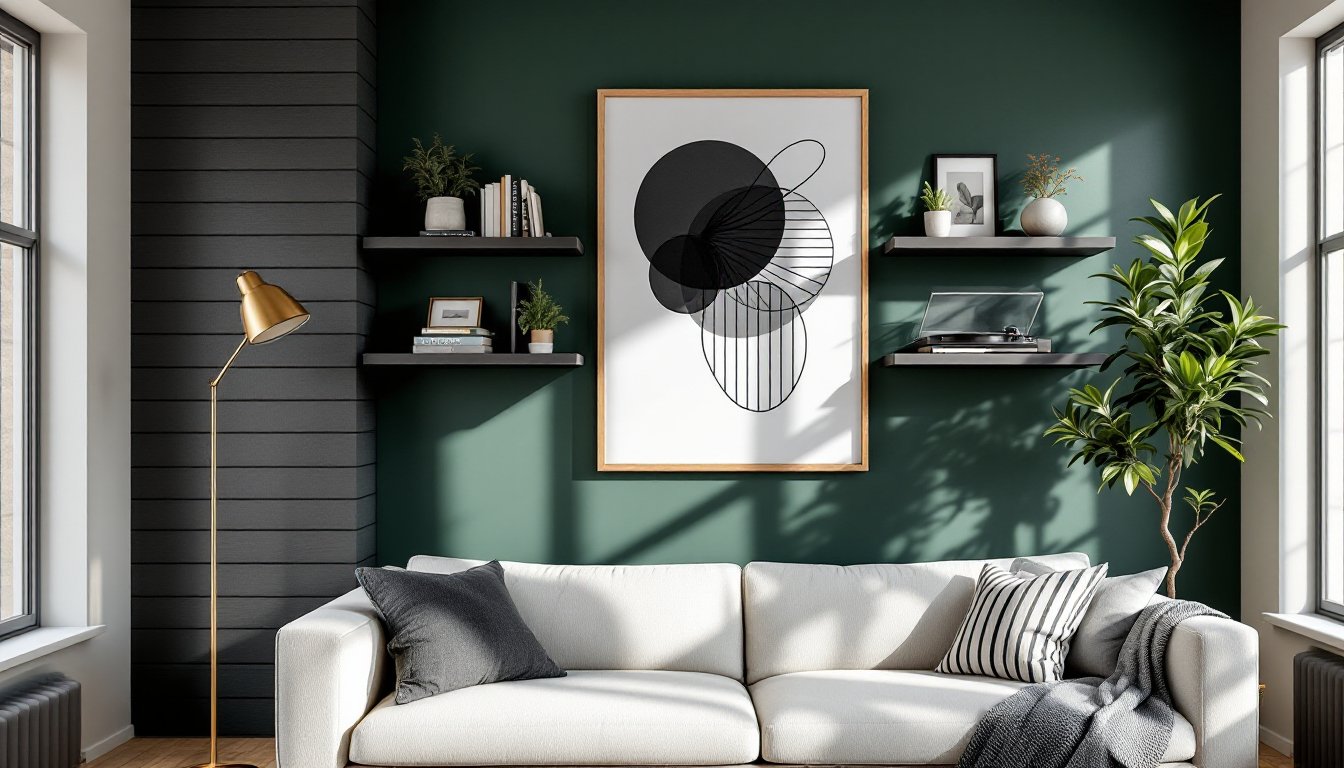
If he wants more personality, accent walls in deeper tones work well: forest green, navy, or even a carefully applied deep burgundy can ground a room without overwhelming it. The trick is committing to one accent wall rather than scattered color patches. Pair it with lighter walls to prevent the space from feeling cave-like.
Consider the room’s natural light and existing furniture before committing. A north-facing room with limited sunlight will feel closed-off in dark charcoal: a warm gray or soft greige works better there. South-facing spaces can handle bolder choices. Test paint samples on the actual wall and observe them at different times of day, paint color shifts dramatically between morning and evening light, and artificial lighting adds another variable.
Matte or eggshell finishes work best for living rooms: they hide imperfections and create a sophisticated, understated look. Glossy finishes reflect light and can make walls feel sterile in residential spaces.
Incorporate Statement Wall Art And Prints
Wall art does the heavy lifting in masculine decor. Rather than scattering small frames everywhere, he should choose one or two substantial pieces or build a cohesive gallery that tells a story. Scale matters: a 24×36-inch print commands respect on a living room wall, while a dozen 8×10s feel scattered and busy.
Abstract And Minimalist Designs
Abstract art pairs naturally with modern or industrial living rooms. Black-and-white geometric prints, bold color-field paintings, or line-work illustrations all work without feeling fussy. The advantage of abstract work is flexibility, it complements almost any color palette and doesn’t require a “reason” to hang there other than visual interest.
Minimalist designs (think clean lines, negative space, understated color) work equally well. A single large canvas with subtle gradations or a bold splash of one accent color creates impact without clutter.
Photography And Black-And-White Imagery
Black-and-white photography is a reliable choice for masculine spaces because it’s inherently sophisticated and works with any decor scheme. Architectural photography, landscapes, street scenes, or abstract close-ups all convey intention. Color photography works too, but it must coordinate with the room’s palette, a warm-toned landscape will clash with cool grays if he’s not thoughtful.
Framing matters as much as the image itself. Matte black or natural wood frames feel contemporary: thin metal frames suit industrial styles. Avoid over-matting or ornate frames, they add visual noise. Glass or acrylic keeps artwork protected and looking clean, though some prefer frameless canvas for a softer edge.
Mixed-media or framed canvas prints offer texture and depth that flat paper doesn’t. They also hide dust better and age gracefully.
Install Floating Shelves And Wall-Mounted Storage
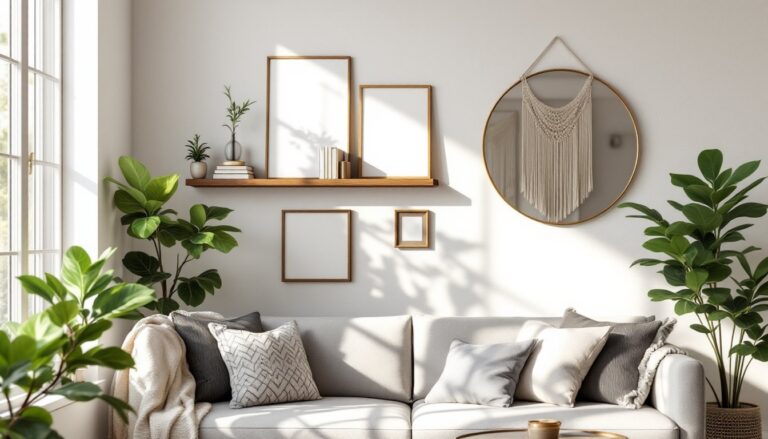
Floating shelves serve dual purposes: they break up large wall surfaces and provide display space without the visual clutter of cabinets. Shelves also create opportunities for layered decor, books, objects, and small plants stack depth into the wall.
Proper installation is critical. Unlike hanging a picture frame, floating shelves carry real weight (typically 25–50 pounds per shelf when properly installed). He needs to locate wall studs with a stud finder and mount heavy-duty brackets rated for his intended load. Drywall anchors alone won’t do the job: shelves must fasten directly into studs with lag bolts or equivalent fasteners rated for the weight.
Lesser-known tip: stagger shelf heights and depths to create visual rhythm rather than lining them up like a library. A 12-inch-deep shelf next to a 10-inch shelf, with 18 inches between them vertically, feels intentional. Leave gaps, don’t crowd every inch. Negative space is as important as the objects he displays.
Wall-mounted storage (media consoles, cabinets, or modular units) anchored to studs works similarly. These hide clutter while keeping the wall organized. Choose finishes that match the room’s aesthetic: natural wood feels warm and lived-in, matte black reads contemporary, and white or light gray suits minimalist schemes.
Before drilling, use a level and tape measure to mark where shelves will hang. A half-inch error compounds when shelves are side-by-side.
Add Textural Elements With Shiplap Or Accent Walls
Shiplap, 1×6 or 1×8 boards with rabbeted edges that overlap slightly, adds dimension and visual interest without requiring paint or complicated finishes. It’s often associated with farmhouse style, but matte-black or charcoal-painted shiplap reads contemporary and works in modern industrial spaces. White shiplap paired with warm wood accents creates a sophisticated coastal feel.
Installing shiplap requires nailing boards horizontally or vertically to wall studs, with each board overlapping the one below. It’s a weekend project for a confident DIYer, though it requires careful measurement and a nail gun (or hand-nailing if he prefers, but expect a longer timeline). Horizontal installation is forgiving and more common: vertical shiplap demands straighter nails and tighter tolerances.
Alt option: peel-and-stick shiplap tiles exist but rarely look as clean or professional as real board. They’re best for renters or temporary applications.
Wainscoting (boards running 3–4 feet up the wall) offers similar texture with less commitment. Painted matte black or natural wood, it grounds a room and adds architectural detail that feels intentional rather than trendy.
Accent textures needn’t be wood. Textured wallpaper (subtle geometric, grasscloth, or 3D-printed designs) or limewash finishes add depth without construction. Test samples first, textured finishes show dust differently than smooth paint and can compete with art if he’s not careful.
Display Collections And Memorabilia Strategically
Personal collections, vinyl records, vintage cameras, sports memorabilia, or travel souvenirs, deserve space, but scattered displays kill a room’s calm. Clustering them creates visual impact and tells a story.
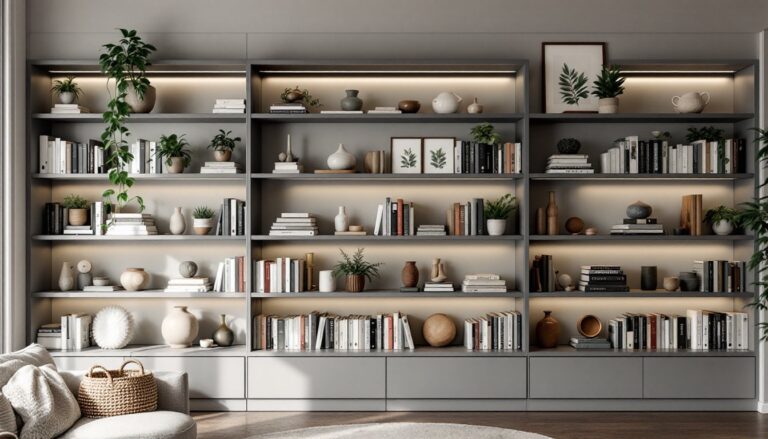
Use floating shelves, wall-mounted cabinets, or framed shadowboxes to display collections with intention. A record collection on a shelf looks curated: the same records scattered on tables look neglected. Group items by color, type, or theme. If displaying vintage guitars, mount them with secure hangers rated for weight, and invest in proper climate control, humidity and temperature swings damage wood instruments.
Framed shadowboxes are ideal for smaller items: medals, patches, coins, or architectural fragments. Professional framing runs $100–300+ per box, but it signals respect for the objects and creates a gallery-like presentation. DIY shadowboxes work too: museum-quality materials (acid-free matting, UV-protective glass) prevent deterioration.
Rotate displays seasonally if space is tight. Displaying everything at once creates visual fatigue. Rotate collections quarterly or by season, keeping the rest stored safely. This keeps the space feeling fresh and prevents the “hoarding” vibe.
One rule: every object should earn its space. If he hasn’t genuinely connected with something in a year, it goes. Curated collections inspire conversation: cluttered walls invite questions like “Why is that here?”