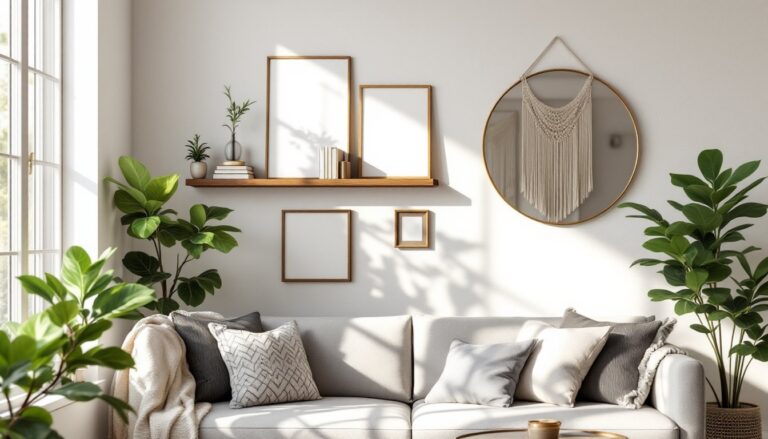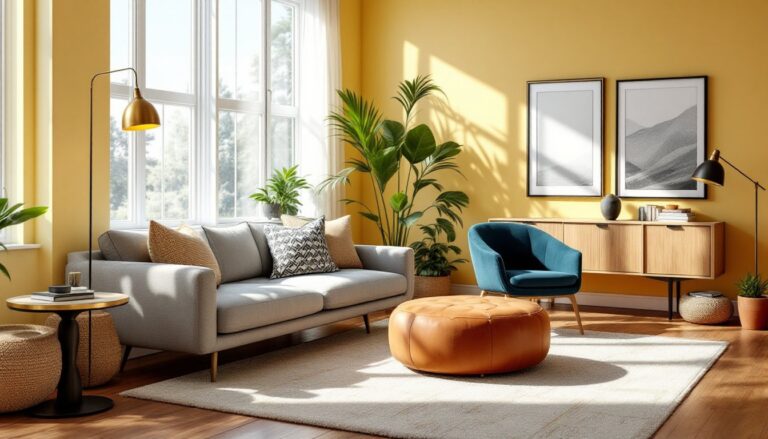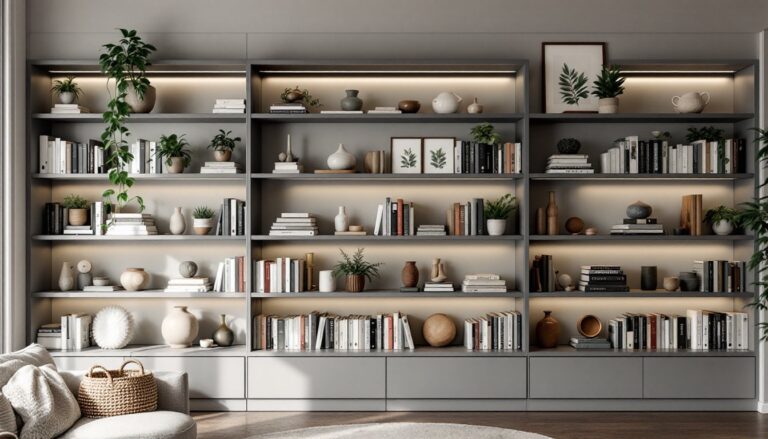


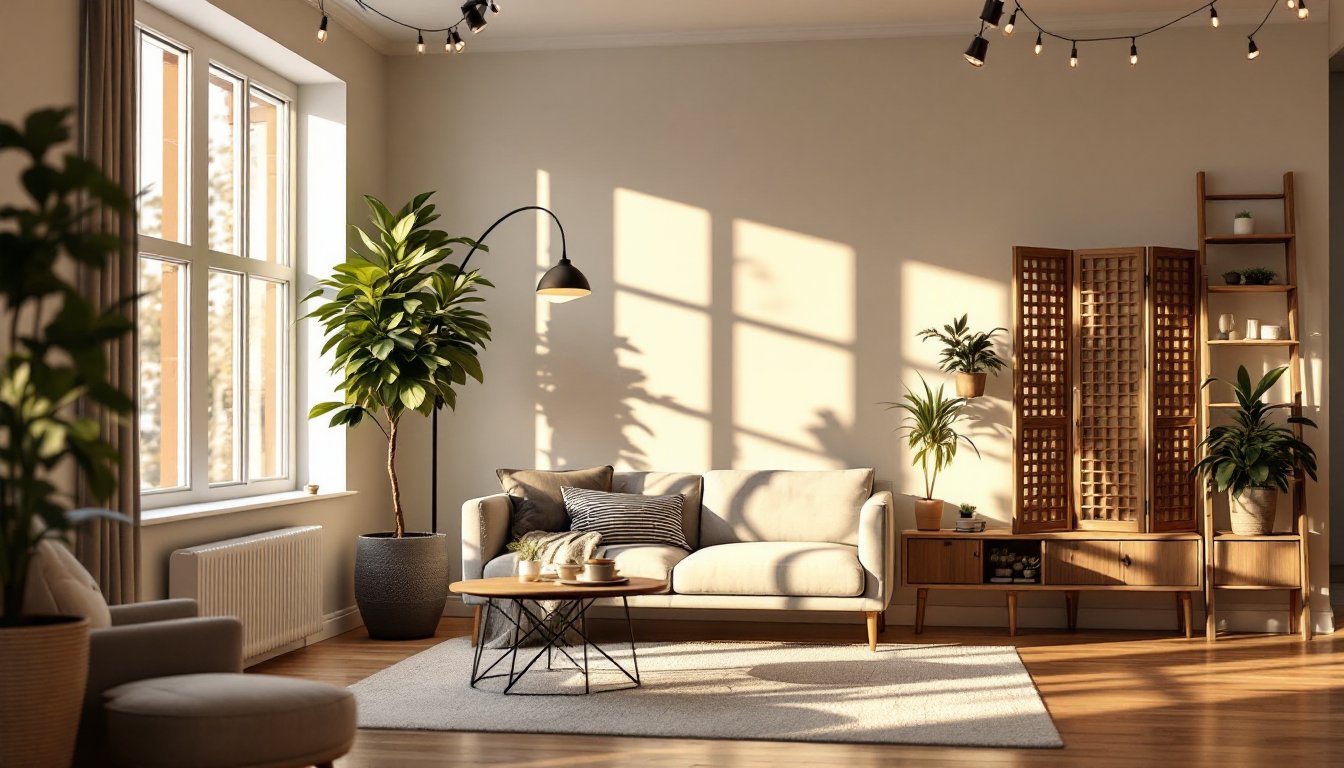
A living room’s visual balance hinges on vertical lines. Tall floor decor, from floor lamps to plant stands, draws the eye upward and makes even modest-sized rooms feel more spacious and intentional. In 2026, layering height into a living room isn’t just a design trend: it’s a practical way to maximize a space’s potential without major renovation. Whether someone’s working with an open-concept floor plan or a cozier corner, tall decor pieces anchor furniture arrangements, add personality, and improve functionality all at once. This guide walks through the best tall floor decor options and how to style them for genuine impact.
Key Takeaways
- Tall floor decor for living rooms creates visual rhythm, draws the eye upward, and makes even modest spaces feel larger and more intentional without requiring major renovations.
- Floor lamps, plant stands, and shelving units range from 60 to 96 inches tall and efficiently use floor space while delivering significant visual weight and functionality.
- Tall decorative screens and room dividers work especially well in open-concept homes to define spaces and separate zones while maintaining sightlines and air circulation.
- Strategic clustering of tall pieces—such as pairing a floor lamp, plant stand, and screen together—creates visual anchors that balance room proportions and prevent a cluttered appearance.
- Layering height with tall statement pieces, mid-height furniture (like 65-inch sofas), and lower elements creates visual rhythm and prevents rooms from feeling monotonous or top-heavy.
- Proper stabilization and anchoring of tall bookcases (securing them to wall studs with lag bolts) is essential for safety, especially in homes with children or pets.
Why Tall Decor Works in Living Rooms
Tall pieces create visual rhythm and draw attention upward, which makes ceilings feel higher than they are. In rooms with standard 8-foot ceilings, a 7-foot floor lamp or plant stand can shift how the entire space reads. Height also helps break up horizontal lines created by sofas and sideboards, preventing a flat, one-dimensional look.
From a practical standpoint, vertical decor uses floor space efficiently. Instead of spreading items across a larger footprint, tall pieces occupy less square footage while delivering more visual weight. This is especially valuable in open-concept layouts where visual interest needs to compete with kitchen islands or dining areas.
Tall decor also acts as a room divider without blocking sightlines, critical when separating zones in an open floor plan. A decorative screen or tall shelving unit can define a seating area without the heaviness of a full wall. Done thoughtfully, height creates visual hierarchy that makes furniture arrangements feel deliberate rather than haphazard.
Floor Lamps for Height and Ambiance
Arc floor lamps stand 70–90 inches tall and curve over seating, making them functional and sculptural. They work best positioned behind a sofa or beside an armchair, where they provide reading light without table space. Look for models with dimmer switches or adjustable brightness for flexibility.
Tripod-style floor lamps offer a lighter visual footprint. Their three-legged base takes up less visual real estate than a weighted base while reaching 60–72 inches. These suit Scandinavian, mid-century, or industrial living rooms and pair well with minimal furniture arrangements.
Tower lamps, tall column-shaped fixtures, deliver ambient light from 5 to 7 feet high. They’re excellent for corners and edges where space is tight. Many include integrated shelves or surfaces for small decor.
When selecting a floor lamp, consider the wattage relative to room size. A 60-watt equivalent LED bulb works for accent lighting in a 200-square-foot living room: larger spaces may need 75–100 watts. Check that the lamp base is stable enough for households with children or pets, a weighted base or low center of gravity prevents tipping. Avoid cords that cross walking paths: route them behind furniture or use cord covers where necessary.
Tall Plant Displays and Green Elements
Living plant stands reach 36–60 inches and support multiple pots at different heights, creating a tiered botanical display. Monstera, fiddle leaf fig, or snake plant varieties work well because they tolerate indoor light ranges and don’t demand constant attention.
Standalone tall plants, a single Dracaena, parlor palm, or bamboo palm, can hit 7 feet or more at maturity. Position these in corners where they frame the room without blocking traffic. Ensure the spot gets adequate light: a plant in a dim corner will decline, become leggy, or drop leaves.
Faux tall plants are worth considering if the living room lacks bright, indirect light or if someone has allergies or pets. Quality silk or high-density foam plants now look convincingly real and eliminate watering and pest concerns.
For watering and care, group plants with similar moisture needs. Most indoor tall plants prefer soil that dries slightly between waterings. Use a well-draining potting mix, not garden soil, to prevent root rot. Repot every 12–18 months if the plant outgrows its container: use a pot only 1–2 inches larger in diameter to avoid overwatering. Rotate plant stands quarterly to promote even growth and prevent the plant from leaning toward light sources.
Decorative Screens and Room Dividers
Tall folding screens range from 5 to 6 feet and serve double duty: defining spaces and adding visual interest. They work especially well in open-concept homes to subtly separate a living room from adjacent kitchen or dining areas without closing off the space entirely.
Wood frame screens with fabric panels suit farmhouse or transitional styles and cost $80–$300 depending on quality and finish. Metal frame screens with shoji-style paper or frosted acrylic panels fit modern and minimalist aesthetics. Solid wood screens with carved or slatted details anchor eclectic or bohemian rooms.
When positioning a screen, place it perpendicular to major traffic flow rather than directly behind furniture. This creates a visual boundary while allowing air and light to circulate. A screen angled slightly, not perfectly straight, feels more intentional than a rigid installation.
Paneled screens do require stabilization if there are children or pets. Heavier wood models are more stable than lightweight fabric panels. If needed, bracket a screen lightly to the wall behind it, using painter’s tape or temporary wall anchors that don’t damage drywall.
Tall Shelving Units and Storage Solutions
Tall bookcases (72–96 inches) offer both height and practical storage. Leaning bookcases save wall anchoring, they rest against the wall at an angle, while fixed bookcases bolt securely to studs, critical for tall units that hold significant weight.
If installing a fixed bookcase, locate the wall studs (typically 16 inches on-center) using a stud finder. Anchor the unit with lag bolts or heavy-duty wood screws driven directly into studs, not drywall alone. A tall bookcase holding 50+ pounds of books can tip without proper anchoring, especially if someone pulls on shelves. Check local building codes: some jurisdictions require tall furniture in homes with children to be anchored.
Ladder shelves are 5–6 feet tall and provide vertical storage without the bulk of a full bookcase. They work well in tight corners or alongside seating, holding plants, baskets, or decor objects.
Etagère shelving units, open metal or wood frames, reach 60–84 inches and create a display-focused aesthetic. They suit gallery walls, curated book collections, or rotating seasonal decor. Keep shelves 40–50% full to avoid visual clutter: negative space is as important as the items displayed.
Styling Tips for Maximum Impact
Cluster tall pieces strategically rather than scattering them. Grouping a tall lamp, plant stand, and screen on one side of the living room creates a visual anchor: the opposite side can remain more open, balancing the room’s proportions.
Layer heights. Pair tall statement pieces with mid-height furniture (65-inch sofa) and lower elements (cocktail table at 18 inches) to create rhythm. This prevents the room from feeling top-heavy or monotonous.
Use color to unite tall pieces. If a floor lamp, plant pot, and bookcase are different materials, ensure their finishes complement. Warm wood tones with brass accents, or matte black metal throughout, create cohesion.
Keep sightlines clear above tall furniture. Avoid blocking windows or views: position tall items where they enhance rather than obstruct. A tall lamp beside a sofa is visual interest: a tall lamp in front of a main window is frustrating.
Light behind tall plants or screens creates depth and drama. Subtle backlighting, a low-watt bulb or string lights, elevates a display from functional to intentional. Ensure any lights have a UL rating and are rated for their enclosed space to prevent fire hazard.
Vary materials and textures within tall displays. Mix matte and glossy surfaces, plant foliage with wood or metal, soft fabric screens with structured shelving. Monotone tall pieces feel institutional: mixed materials feel thoughtful.
Conclusion
Tall floor decor transforms a living room from pleasant to purposeful. Whether the goal is better lighting, greenery, storage, or visual balance, height is the tool that makes rooms feel larger, more layered, and genuinely lived-in. Start with one strong tall piece, a floor lamp or plant stand, then add complementary elements as the room’s design builds. The key is intention: every tall item should earn its space through function or beauty, preferably both. With the right pieces and smart placement, a living room becomes a space that works as hard as it looks good.