

Summer is the season to lighten up your living space. While winter décor relies on warmth and coziness, summer living room design calls for airy, breathable aesthetics that welcome natural light and encourage a relaxed vibe. The right updates don’t require a full overhaul, strategic swaps in color, textiles, and accessories can completely refresh a room in a weekend. This guide walks through practical, implementable changes that transform a living room into a summer sanctuary without demanding professional help or breaking the budget. Think of it as seasonal maintenance for your interior space.
Key Takeaways
- Summer living room decor thrives on light color palettes like whites, creams, and soft blues that reflect natural light and create an airy feel without requiring a full room renovation.
- Swap heavy winter textiles for lightweight linen and cotton curtains, breathable slipcovers, and flat-weave rugs to instantly refresh your space and improve comfort during warm months.
- Maximize natural light by cleaning windows thoroughly, installing sheer or cellular shades, and strategically placing mirrors opposite windows to bounce daylight deeper into the room.
- Add low-maintenance indoor plants like pothos, snake plants, and monsteras in white or natural fiber pots to improve air quality and introduce seasonal greenery that thrives in summer’s abundant light.
- Create flexible seating arrangements by floating furniture around a low coffee table and incorporating moveable pieces with slipcovers, allowing your summer living room to adapt to gatherings and casual entertaining.
- Refresh accessories by swapping winter candles for citrus and lavender scents, mixing textured throw pillows in odd numbers, and updating lighting to neutral or cool white bulbs that complement your summer color scheme.
Choose Light, Airy Color Palettes
Color sets the tone for seasonal living. Summer palettes thrive on whites, creams, soft grays, and pale blues, shades that reflect light and open up a room visually. If you’re not ready to repaint walls, consider a neutral base color like Benjamin Moore’s Cloud White or Sherwin-Williams Alabaster for trim or accent walls. These reflect light efficiently and pair with virtually any secondary color.
The ceiling is often overlooked but crucial. Painting it a soft white (instead of off-white or cream) bounces daylight around the room and makes it feel taller. Use Benjamin Moore Chantilly Lace or Sherwin-Williams Dover White, both are true whites that don’t yellow under UV exposure.
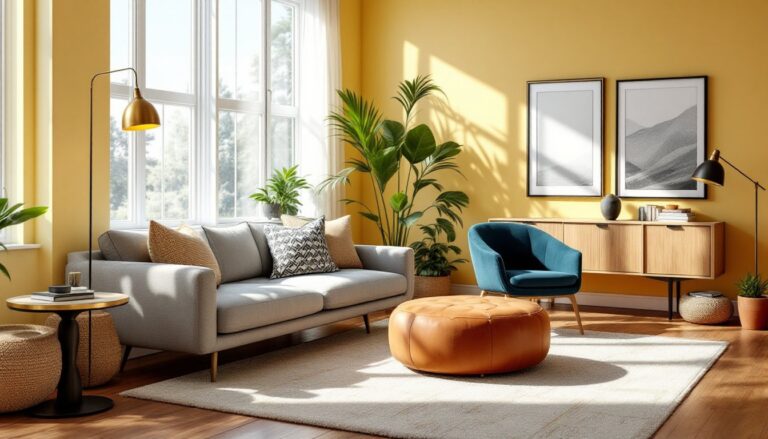
For fabric-based surfaces that aren’t painted, introduce color through accent pillows, throws, and window treatments. Soft seafoam, pale sand, and powder blue read as summery without overwhelming the space. Layering these tones, say, cream walls, white ceiling, and soft blue accents, creates depth while maintaining that airy feel. Avoid heavy, saturated colors: save burgundy and forest green for autumn.
Refresh Your Textiles and Fabrics
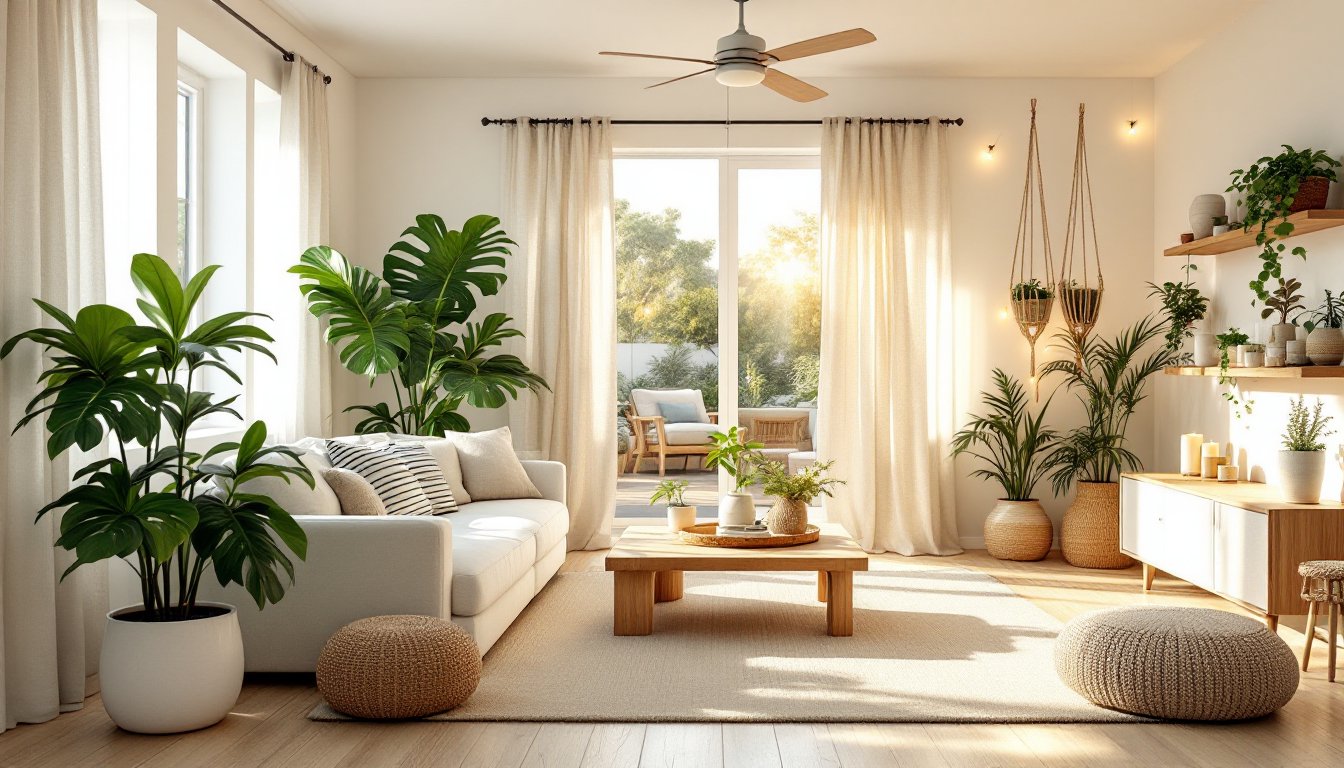
Textiles are the quickest way to swap a room’s seasonal personality. Heavy winter curtains in velvet or thermal-backed fabrics should come down: replace them with lightweight linen or cotton panels in white, natural tan, or pale colors. These allow light through while diffusing harsh afternoon sun. Linen wrinkles naturally, that’s not a flaw: it’s part of the aesthetic and signals relaxed summer living.
For upholstered furniture, slipcovers or throws in breathable fabrics work wonders. A 100% cotton slipcover over a dark sofa instantly lightens the room and is washable when spills happen. If replacing cushion covers, choose performance fabrics like Sunbrella in pale tones, these are designed for indoor and outdoor use and resist fading and moisture. A throw in white or cream linen draped over a chair adds texture without weight.
Rugs anchor a room and influence thermal feel. Swap dense wool rugs for flat-weave cotton, jute, or sisal rugs that feel cooler underfoot and dry quickly if wet. Pale or neutral tones work best: a cream jute rug with a subtle pattern reads summery and hides dust better than pure white. Measure your space first, rugs should anchor seating groups, typically 8×10 feet for a standard living room, and secure loose edges with non-slip pads to prevent tripping.
Maximize Natural Light and Ventilation
Natural light is summer décor’s greatest ally. Clean windows thoroughly inside and out, use a squeegee and microfiber cloth with a diluted white vinegar solution. Buildup on glass reduces light transmission by up to 30%, so don’t skip this step. Remove heavy window treatments and replace with sheer curtains or roman shades that filter light without blocking it.
If privacy is a concern, roller shades in natural linen or cellular shades in white diffuse light while allowing sight lines outward. Install them inside the window frame (recessed mount) rather than over the frame to maximize the visual opening. This takes 20 minutes per window and requires only a drill and level.
Ventilation matters as much as light. Keep air moving by positioning furniture to allow airflow and opening windows during cooler mornings and evenings. A ceiling fan on low circulates air and creates a summery rustling sound: ensure blades are dust-free and run counterclockwise in summer to pull cool air upward. If adding a fan, confirm the ceiling junction box is rated for the weight, most are, but older homes may need reinforcement (a job for an electrician if you’re unsure).
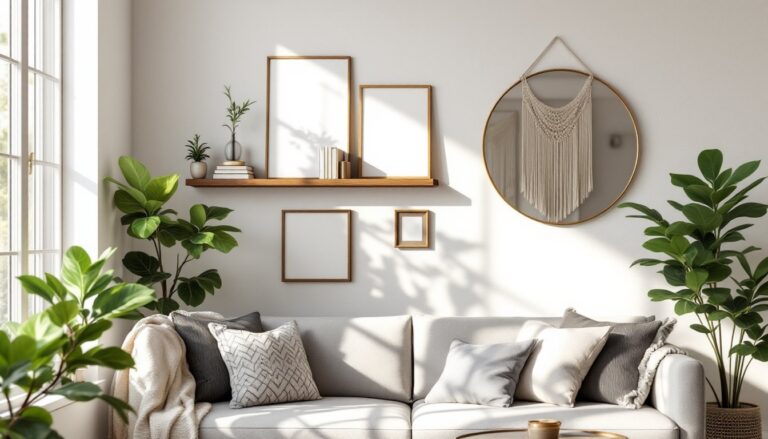
Mirrors are underused tools for light distribution. A large mirror opposite a window bounces natural light deeper into the room. This is a swap, not an installation, just hang or lean it against the wall.
Add Seasonal Plants and Greenery
Living plants breathe life into summer spaces and improve air quality. Indoor plants thrive with the abundant natural light of summer and add texture and color that’s inherently seasonal. Choose low-maintenance varieties suited to your light conditions: pothos and philodendron for low-light corners, snake plants for drought tolerance, and monstera for dramatic foliage if you have bright indirect light.
Size matters. A single large plant (3-4 feet tall) in a 14-16 inch pot serves as a statement piece in a corner or beside a seating group. Multiple smaller plants scattered on shelves, side tables, or windowsills create rhythm and visual interest. Avoid clustering too many pots: it reads cluttered rather than curated.
Containers set the tone. A white ceramic pot matches the light, airy palette. Woven baskets in natural fibers add warmth and texture. Ensure pots have drainage holes, this prevents root rot and keeps plants healthy. If a decorative pot lacks drainage, use it as a cachepot (outer pot) over a nursery pot (inner pot with holes). Water thoroughly until liquid drains from the bottom, then empty the cachepot’s excess water.
Hanging plants from ceiling hooks save floor space and draw the eye upward in smaller rooms. A macramé or rope hanger in natural fibers suits summer décor and costs $10–$20. Inspect the ceiling joist or use a toggle bolt rated for the plant’s weight before drilling.
Incorporate Summer-Inspired Accessories
Accessories are the personality layer, they’re swappable, affordable, and instantly seasonal. Swap winter candles (vanilla, spice, evergreen) for lighter scents like citrus, lavender, or ocean salt. Unscented candles in white or cream work too if scent isn’t preferred. Avoid overpowering fragrance: subtle is sophisticated.
Textile accessories, throw pillows, blankets, and cushions, anchor the summery feel. Mix textures: a linen pillow in cream, a striped cotton pillow in soft blue and white, and perhaps a textured jute or rattan pillow. Odd numbers (three or five) feel more intentional than pairs. Layering different scales and patterns prevents monotony.
Wall art refreshes the space without painting. Swap heavy framed prints for light, minimalist artwork in whites and naturals. Botanical prints or abstract art in soft tones work well. Lean artwork against the wall on floating shelves or lean-to displays, no nails required, and it’s flexible if you want to change it.
Lighting shifts for summer. Swap warm-bulb lamps (2700K) for neutral white (3000K) or cool white (4000K) bulbs, they’re closer to daylight and pair with summer palettes. If changing bulbs feels tedious, dimmable smart bulbs let you adjust temperature without replacing hardware. A string of white solar-powered lights on a porch or by a window adds ambiance and uses zero electricity.
Create Flexible Seating Arrangements
Summer living encourages movement and flexibility. Arrange seating to accommodate conversation without feeling formal. Instead of anchoring all furniture against walls, float seating around a low coffee table (18-20 inches tall) where people naturally gather. This opens sight lines and makes the room feel larger.
Add moveable pieces that adapt as needed. A lightweight wooden ottoman (20×20 inches) serves as footrest, extra seat, or small side table, all without the commitment of built-in furniture. Chairs with casters or lightweight frames let you reconfigure for gatherings or viewing. A slipcovered armchair is easy to reposition and feels refreshed with its airy fabric.
Outdoor-to-indoor flow matters in summer. If you have access to a patio or balcony, extend living space through the same color palette and materials. A light-colored rug that transitions from inside to outside visually merges the spaces. Lightweight furniture in both areas allows flexibility, move a chair outside for morning coffee, back inside for the afternoon.
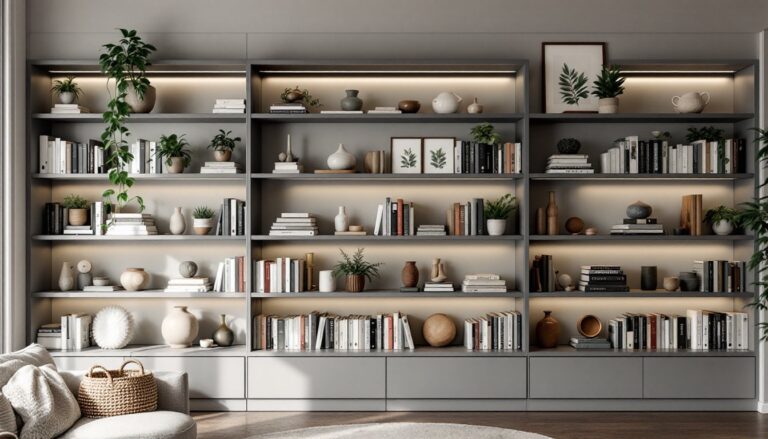
Storage for seasonal items keeps the room uncluttered. A low credenza in light wood or white paint hides throw blankets, extra pillows, and stored winter décor without visual bulk. Open shelving displays plants and lightweight accessories: closed storage manages the rest.
Conclusion
Summer living room transformation doesn’t demand renovation, it demands strategy. Light colors, breathable textiles, maximized natural light, and seasonal plants create that coveted airy feel. Flexible furniture arrangements and curated accessories complete the shift. Start with the easiest swaps: window treatments, throw pillows, and plants. Then layer in color and light adjustments. Done thoughtfully, your living room becomes the sanctuary summer deserves.