

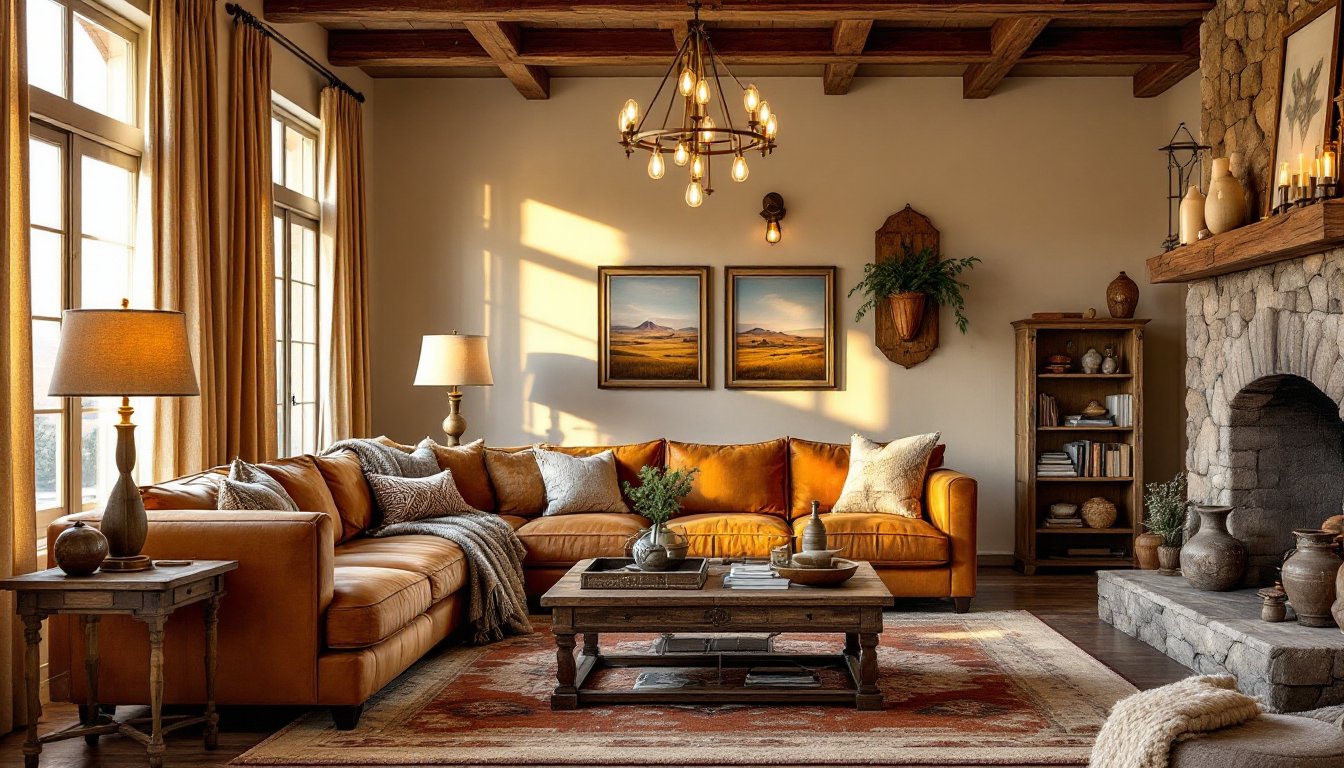
Creating an authentic western living room doesn’t mean your space has to look like a dusty saloon or a set from a 1950s Western film. Modern western living room decor blends rustic charm, natural materials, and earthy tones with clean lines and contemporary comfort. Whether someone is drawn to the wide-open landscapes of the American Southwest, the rugged ranch aesthetic, or the warm heritage of frontier design, this guide walks through the foundational choices that transform a blank room into a cohesive western sanctuary. The key is understanding what makes western style work, it’s about honest materials, functional beauty, and a respect for craftsmanship that feels both timeless and livable in 2026.
Key Takeaways
- Modern western living room decor blends rustic charm with contemporary comfort by using honest natural materials like reclaimed wood, leather, and stone rather than surface-level aesthetic choices.
- Define your western style foundation first—choosing between Southwestern, traditional ranch, or modern rustic farmhouse—to guide authentic material and color selections.
- Warm earth tones (burnt sienna, terracotta, deep browns, and adobe tans) paired with warm-toned lighting (2700K) create the authentic atmosphere that western living room decor requires.
- Select substantial, oversized furniture pieces with visible character like worn leather, natural patina, and solid wood to anchor the space with visual weight and intentional design.
- Layer multiple warm light sources (table lamps, wall sconces, dimmers) and choose one or two metal finishes repeated throughout to create cohesive, curated western decor that avoids looking cluttered.
- Incorporate meaningful accessories—vintage artwork, curated collections, and functional textiles—that earn their space rather than filling it, keeping the design intentional and livable.
Define Your Western Style Foundation
Before selecting a single piece of furniture, it helps to clarify which western aesthetic resonates. There’s a difference between Southwestern (think Arizona adobe, terra cotta, turquoise accents), traditional ranch style (Wyoming/Montana ranches with heavy timber and leather), and modern rustic farmhouse (clean-lined cabins with minimalist charm). Each has its own material palette and design DNA.
Western living room decor often centers on natural materials, reclaimed wood, wrought iron, leather, and stone. These aren’t arbitrary choices: they reflect what was actually available and durable in frontier settlements. Homeowners who prioritize authenticity will lean into this history rather than treating western style as a surface-level aesthetic.
Consider the room’s existing architecture. If someone has vaulted ceilings or exposed beams, that’s a gift for western design. If the space is a standard suburban living room with drywall and carpet, the western foundation becomes layering, through furniture placement, textiles, and color choices. Both approaches work: the trick is being intentional rather than accidental.
Color Palettes That Capture The Spirit
Western color schemes draw inspiration from desert landscapes, timber, and stone. The dominant palette includes warm earth tones: burnt sienna, terracotta, deep browns, warm grays, and adobe tans. Walls often skew neutral, warm whites, sand, or soft gray, to let natural wood and furnishings be the focal points.
Accent colors add depth without overwhelming the space. Warm rusts, mustard yellows, and muted sage greens appear in textiles, artwork, and accessories. Southwestern styles incorporate turquoise or deep teal as secondary accents, while traditional ranch designs stick with blacks and dark wood tones. The key is restraint: too many competing colors dilutes the western narrative.
Lighting affects how colors read in the space. Warm-toned bulbs (2700K color temperature) enhance earthy palettes and bring out the richness of wood and leather. Cool white bulbs can make the same room feel sterile. For a western living room, someone should plan on using warm, dimmable lighting throughout, this single choice dramatically strengthens the whole aesthetic.
Essential Furniture Pieces for Authentic Western Appeal
The furniture backbone of a western living room rests on a few non-negotiable pieces: a substantial sofa or sectional, a coffee table in wood or stone, and seating that invites gathering. Rather than a sleek modern sectional, look for pieces with sturdy legs, genuine leather or heavy fabric upholstery, and a sense of heft.
Leather recliners or wingback chairs anchor conversation zones. Worn leather, natural patina, and visible stitching are features, not flaws, they suggest history and use. Pair these with a solid wood coffee table (pine, mesquite, or reclaimed oak work well) that shows grain, knots, and character.
Scale matters in western design. Overstuffed, oversized furniture feels more authentic than delicate, minimal pieces. A room needs visual weight to match the spirit of the style. That said, “oversized” doesn’t mean cramped, measure the space and ensure paths remain clear and comfortable.
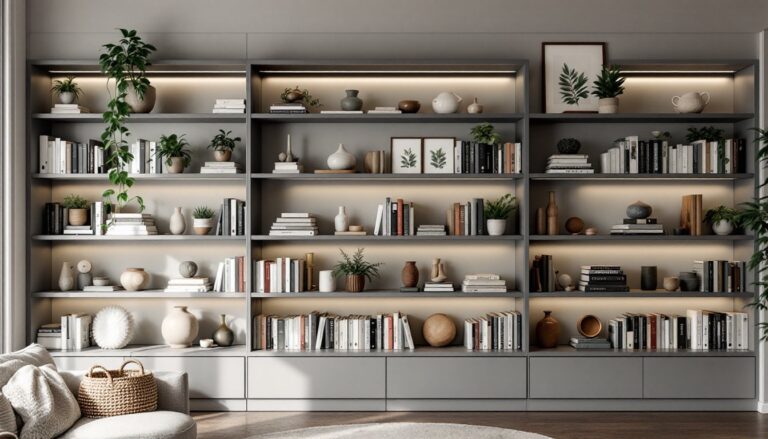
Storage pieces like wooden credenzas, bookcases with metal or iron accents, and lodge-style cabinets serve both function and design. Western rooms benefit from visible storage that tells a story, whether it’s vintage leather-bound books, woven baskets, or meaningful collectibles. Bonus: storage helps keep clutter at bay, which is essential because western style reads as intentional, not chaotic.
Lighting and Accents That Set the Mood
Lighting in a western living room should feel warm, layered, and somewhat moody, think candlelight, lanterns, and fire. Rather than relying on a single overhead fixture, layer multiple light sources: table lamps with burlap or rawhide shades, wall sconces with iron or brass fixtures, and a statement chandelier if the ceiling height supports it.
Wrought iron lantern-style pendants and Edison-bulb fixtures fit the aesthetic while keeping the color temperature warm. Dimmers on all circuits allow mood adjustment, essential for a room meant for relaxation and gathering. Accent lighting on artwork, shelving, or architectural features adds depth.
Metal accents throughout the room, iron railings, copper cookware, brass door hardware, or decorative chains, echo the forged metalwork of ranches and frontier buildings. These shouldn’t feel haphazard: choose one or two metal finishes (oil-rubbed bronze, natural iron, or warm brass) and repeat them consistently in light fixtures, hardware, and decorative objects. This cohesion is what separates curated western decor from a confused jumble of ‘rustic’ stuff.
Wall Treatments and Textiles
Walls in a western living room set the canvas. Paint in warm neutrals (sand, warm gray, or light terra cotta) and let larger pieces, artwork, mirrors, or architectural details, command attention. Shiplap or tongue-and-groove wood paneling on one accent wall adds genuine texture and ties directly to western building tradition. If installing paneling, use 1×6 or 1×8 boards (nominal sizing: actual dimensions are slightly smaller) and finish with matte or semi-gloss paint or stain to match the overall palette.
Textiles bring softness and pattern without clashing with the aesthetic. Think heavy wool throws, leather ottomans, and woven blankets (Native American-inspired patterns, solid earthtones, or subtle geometric designs) draped over seating. Rugs are crucial: a large wool area rug (8×10 minimum in a standard living room) in a warm, muted tone grounds the space and absorbs sound, making the room feel less empty.
Window treatments should be simple and functional. Heavy curtains in burlap, canvas, or thick linen in warm tones work well. Avoid sheer fabrics or bright whites, they read as too contemporary. Wooden blinds or shutters offer an alternative that fits the aesthetic and allows light control. The goal is dressing the windows thoughtfully, not elaborately.
Accessorizing Like a Western Design Pro
Accessories are where western living room decor becomes personal. Start with meaningful art: vintage cattle brands, landscape photographs of the American West, or hunting-lodge-style paintings. Frame these in wood or simple metal frames that echo the furniture. Avoid cutesy or kitschy Western novelties (plastic longhorns, cartoon cowboy prints), stick to pieces that respect the heritage and aesthetic.
Decorative objects should earn their space. Vintage leather-bound books, woven baskets, pottery, and metal objects (old lanterns, spurs, or horseshoes) tell a story when grouped intentionally on shelves or tables. Collections shouldn’t feel random: display three to five significant pieces together rather than scattering singles throughout the room.
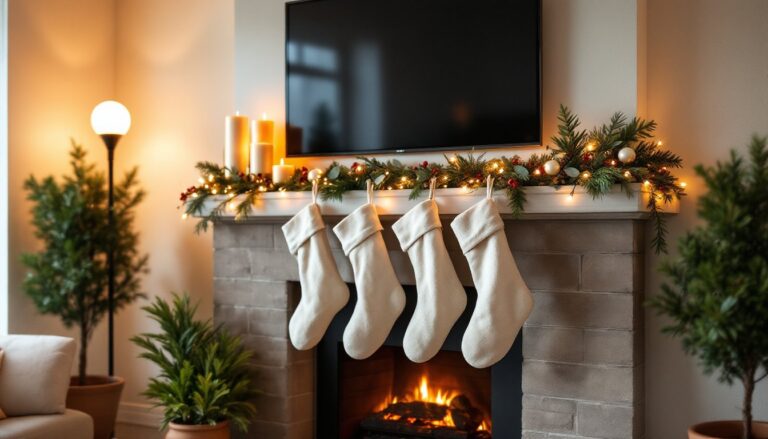
Plants and natural elements soften hard surfaces without competing with the rustic palette. Potted succulents, cacti, or grasses in terra cotta or weathered ceramic containers fit naturally. A fireplace, if present, becomes a focal point, keep the surround simple (natural stone or painted brick) and group candleholders, lanterns, or framed photos on the mantel for warmth.
The final touch is intentional restraint. Western style reads as curated, not cluttered. Every object should have purpose or meaning, a book someone actually reads, a photograph worth looking at, a blanket in regular use. This discipline keeps the space feeling grown-up and livable rather than theme-park-ish.
Conclusion
Building an authentic western living room in 2026 means honoring the materials, colors, and principles that made the style endure while keeping comfort and functionality front and center. The strongest designs start with a clear vision of which western aesthetic resonates, then layer furniture, lighting, and accessories that feel intentional rather than accidental. The space should invite people in, to sit, relax, gather, and feel at home. When done well, western living room decor feels less like a style trend and more like a place with a story to tell.