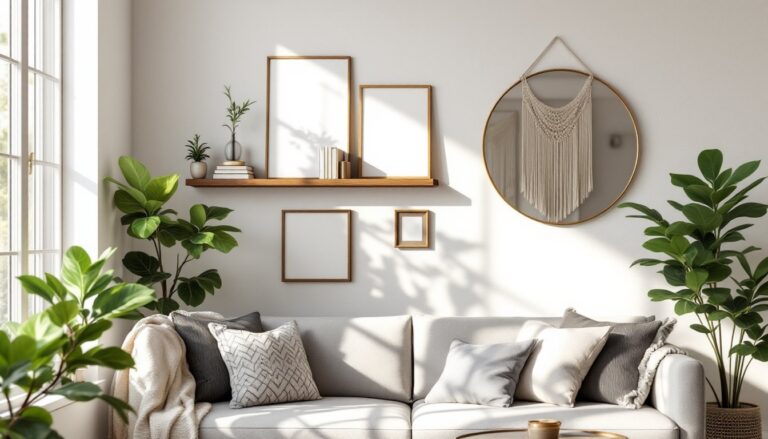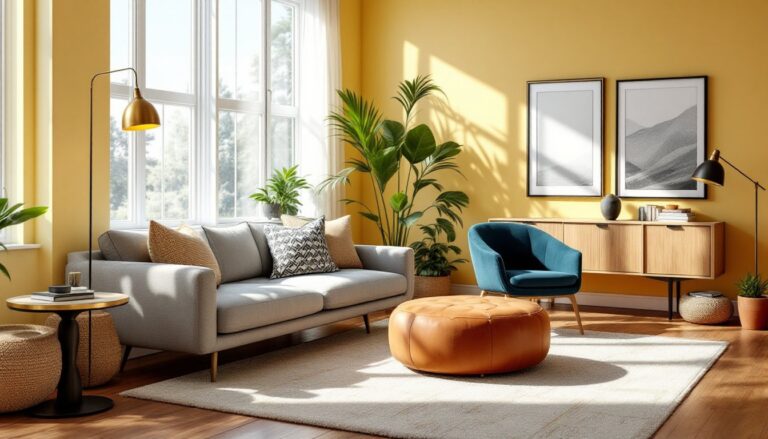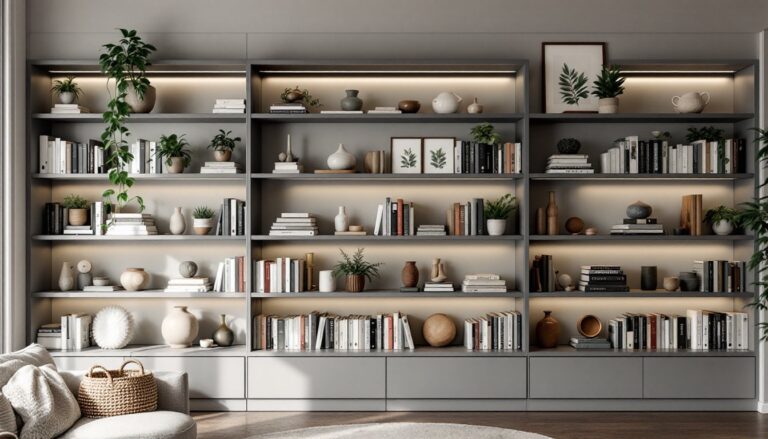


Tabletop décor is one of the easiest ways to refresh a living room without very costly or requiring a contractor. A well-styled coffee table, side table, or console can anchor a room’s personality, draw the eye, and create focal points that tie together furniture, color palettes, and design themes. Whether someone’s decorating a newly furnished space or updating an existing room, thoughtful tabletop styling makes the difference between a room that feels incomplete and one that feels intentional and inviting. This guide walks through the principles of choosing, layering, and arranging tabletop accessories for maximum visual impact, no special tools or expertise required.
Key Takeaways
- Tabletop decor for living rooms balances aesthetics with function, adding personality and visual interest without requiring major renovations or professional expertise.
- Modern minimalist tables emphasize clean lines and negative space with few carefully chosen pieces, while classic tables embrace layering, symmetry, and richer materials like brass and wood.
- Essential tabletop styling elements include books for color and texture, strategic lighting for warmth, plants or florals for life, and decorative objects that reflect authentic taste and personality.
- Creating visual impact requires varying heights, mixing textures and materials, grouping items in odd numbers, and leaving intentional empty space rather than overcrowding surfaces.
- Flexible and affordable tabletop decor allows seasonal updates and style experimentation, making it ideal for refreshing a living room without long-term commitment.
Why Tabletop Décor Matters for Your Living Space
Tabletop décor serves as the detail work of interior design. Unlike large furniture pieces that establish structure, tabletop styling adds personality, texture, and intentionality to a room. When someone walks into a living room, they instinctively look at the surfaces, the coffee table, side tables, and consoles. Bare tables feel cold and uninviting: styled tables tell a story.
Tables are also highly functional surfaces, so décor must balance aesthetics with usability. A coffee table needs space for remotes and drinks: a side table holds lamps and books. The best tabletop styling respects these practical needs while introducing visual interest through layering, height variation, and color coordination. This balance between form and function is what separates Pinterest boards from livable, beautiful spaces.
Another key benefit is flexibility. Unlike paint or flooring, tabletop accessories can be swapped seasonally, updated affordably, and rearranged without commitment. This makes tabletop décor an ideal starting point for anyone wanting to experiment with color or style before investing in larger pieces.
Choosing the Right Tabletop Style for Your Aesthetic
Before buying a single accessory, the foundation is understanding what style resonates with the living room’s existing design. Mismatched styles clash: cohesive styling feels intentional. The good news is that most living rooms fall into recognizable aesthetic categories, making it easier to select décor that fits.
Modern and Minimalist Designs
Modern and minimalist tabletops emphasize clean lines, negative space, and intentional restraint. The rule here is less is more. Instead of crowding a table surface, minimalist styling features a few carefully chosen pieces, perhaps a single sculptural vase, a stack of art books with a coordinating bookend, or a small plant in a geometric planter. Materials lean toward metal, glass, light wood, and concrete. Colors are typically neutral: whites, grays, blacks, and warm wood tones.
For modern minimalist tables, scale matters enormously. A low, wide coffee table suits the aesthetic better than a tall, ornate one. Accessories should feel substantial and refined rather than decorative or fussy. A concrete or marble coaster set, a sleek desk lamp, or a single sculptural candle holder fits the vibe better than multiple small trinkets. The goal is breathing room and clarity of purpose.
Classic and Traditional Arrangements
Traditional and classic tabletop styling is richer, more layered, and embraces symmetry. These tables often feature paired lamps, stacked books anchored with bookends, framed photos, and a mix of materials, wood, brass, ceramic, and fabric. Colors are warmer: creams, golds, deep reds, and natural wood tones.
Classic tables thrive on height variation and visual balance. A tall lamp on one side is balanced by a stack of books or a taller plant on the other. Decorative objects are grouped in odd numbers (three candles, three books, five small items) to feel intentional rather than random. Textiles like table runners or fabric book jackets add warmth. This style embraces richness and layering without feeling cluttered when done thoughtfully.
Essential Tabletop Décor Elements Every Living Room Needs
Regardless of style, a few essential elements appear on most well-styled tabletops. Starting with these building blocks makes the styling process clearer.
Books are foundational. They introduce color, texture, and verticality while serving a practical purpose. Arrange them horizontally in stacks (3-5 books per stack) or vertically as a bookshelf. Coordinating spines (or mixing colors intentionally) looks polished. Art books with interesting covers or uniform-spined classic sets work particularly well.
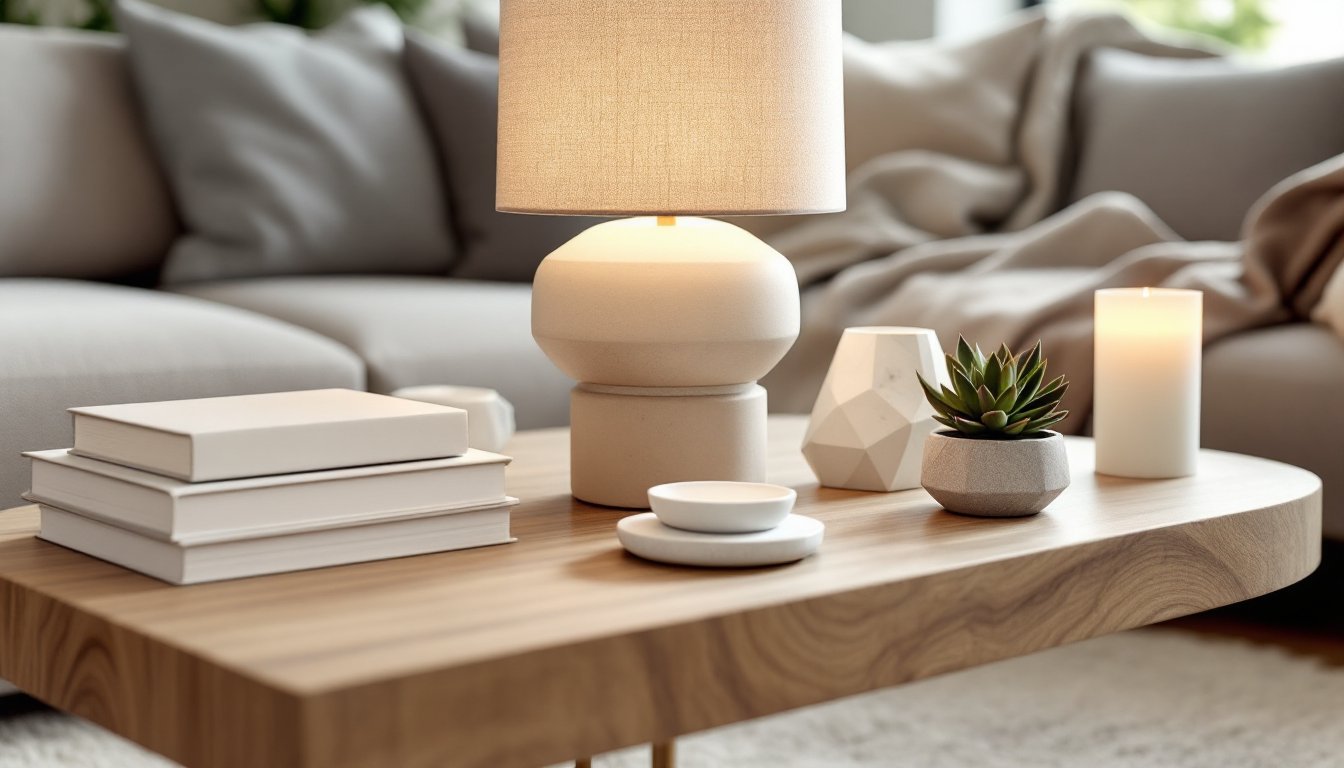
Lighting is both functional and decorative. A table lamp adds warmth, defines the space, and creates visual interest. Table lamps come in countless styles, from sculptural ceramic bases to brass swing-arms to sleek contemporary designs. Choose one that suits the room’s aesthetic and provides practical light for reading or ambient atmosphere.
Plants and florals bring life and color to tabletops. Small potted plants (succulents, ferns, snake plants) work in tight spaces. Fresh or faux flowers in a simple vase add softness. Consider the plant’s light requirements relative to the table’s location.
Decorative objects include candles, vases, sculptures, bowls, or small art pieces. These are where personality shines through. Choose pieces that reflect interests, travel experiences, or favorite colors, authenticity always reads better than generic décor.
Functional items like coasters, a small tray for remote storage, or a decorative bowl for keys serve dual purposes. They keep tables organized while adding visual interest.
Styling Coffee Tables and Side Tables
Coffee tables are the living room’s workhorse, so styling requires balancing décor with usability. The top surface should remain accessible for feet, drinks, and daily items like remotes or throw blankets.
Start with a base layer: a small tray, runner, or simply an anchoring object like a stack of books. This gives structure. Then add a lamp (if the table’s height and the room’s layout support it), one or two plants, and 2-3 decorative objects. Keep the center clear for practical use. Avoid overcrowding: a well-styled coffee table has intentional empty space.
For side tables, the constraint is typically height and surface area, which limits options. A single lamp is standard: pair it with a small plant, a stack of 2-3 books, and perhaps a small decorative object or candle. Side tables often need to hold a drink or phone, so leaving functional space is critical. Unlike coffee tables, side tables can benefit from slightly tighter, more focused styling since they’re smaller.
Both table types improve dramatically when surfaces are prepped: dust thoroughly, clean glass surfaces with glass cleaner, and wipe wood with appropriate polish. Clean surfaces make styling immediately look more polished.
Layering and Arranging Tabletop Accessories for Visual Impact
Layering creates dimension and prevents a flat, one-dimensional look. The key principle is varying height, depth, and texture.
Height variation draws the eye and makes a table feel intentional. Pair tall elements (lamps, tall plants, stacked books) with lower objects (a shallow bowl, a candle, a small sculpture). This vertical movement keeps eyes engaged. A coffee table with all objects at the same height feels boring: mixing heights transforms it.
Depth and negative space matter equally. Don’t push all objects to the table’s front edge or back. Vary the depth so items sit at different distances from the viewer. This layering creates visual intrigue. Similarly, leave breathing room, empty space is not wasted space: it’s intentional design.
Texture and material mixing prevents visual monotony. Pair smooth glass with rough wood, shiny brass with matte ceramic, soft fabric with hard stone. This tactile variety reads as sophisticated and curated. A table with all glass or all wood feels flat: mixing materials feels intentional.
Color coordination ties everything together. Choose a color palette before buying: perhaps warm neutrals with pops of deep blue, or cool grays with brass accents. Group items by color family: this creates visual harmony. Avoid random color mixing unless the room’s overall design intentionally embraces eclecticism.
Odd numbers feel more natural than even ones. Three books, five candles, or three decorative objects feel intentional rather than coincidental. This is a subtle but powerful design principle.
Bringing It All Together
Tabletop décor is approachable, affordable, and transformative. Start with a style choice, modern or traditional, then build with essential elements like books, lighting, plants, and meaningful objects. Layer thoughtfully, varying height and texture, and resist the urge to overcrowd. The best tabletop styling feels intentional, serves a purpose, and reflects genuine taste rather than trend-chasing. With these principles in mind, anyone can style a living room that feels cohesive, inviting, and undeniably their own.