


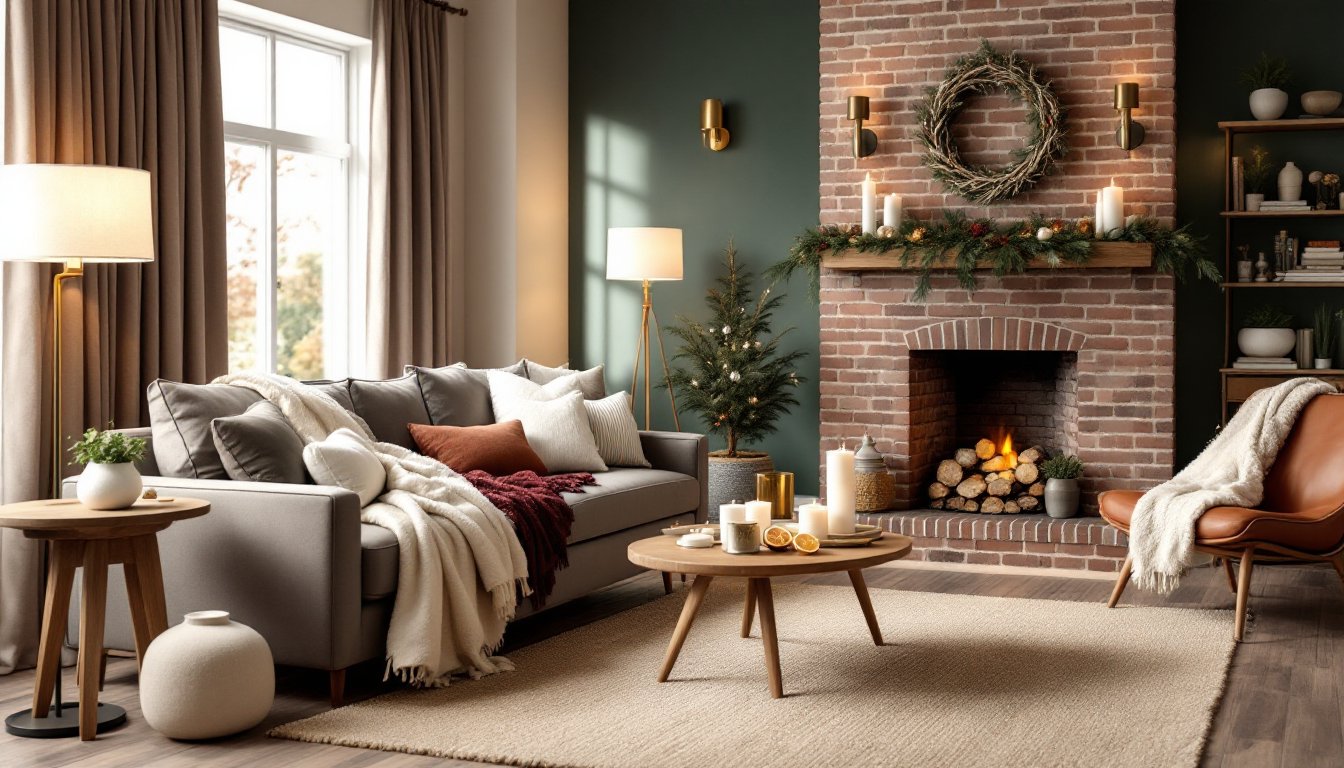
Winter living room decor doesn’t have to mean settling for a cold, sparse environment or overspending on designer furniture. With thoughtful layering of textures, strategic lighting, and a few key seasonal accents, homeowners can create a warm, inviting retreat that feels both cozy and intentional. The key is balancing function with aesthetics, selecting materials and colors that naturally draw warmth into the space while maintaining the livability that makes a living room worth spending time in. Whether tackling a full refresh or adding incremental touches, these seven design ideas offer practical, achievable ways to transform a winter living room into a place people actually want to gather.
Key Takeaways
- Winter living room decor relies on warm color palettes (taupe, caramel, charcoal, cream) and layered textures to create natural coziness without overspending on designer furniture.
- Strategic lighting with warm white bulbs (2700K), layered fixtures, and dimmers transforms winter daylight challenges into inviting ambiance throughout the evening.
- Soft furnishings like throw blankets, cushions, and properly-sized rugs (at least 5×7 feet) make spaces physically comfortable and encourage people to gather.
- Nature-inspired seasonal accents—branches, evergreen garland, pinecones, and soy candles—keep winter decor grounded and sophisticated while avoiding plastic gimmicks.
- Insulated window treatments with cellular shades or thermal-lined curtains reduce heat loss and frame windows as design features rather than cold spots.
- Upgrading a focal point like a fireplace, TV wall, or window with intentional styling anchors the room’s entire aesthetic and completes a cohesive winter living room.
Embrace Warm Color Palettes and Textures
The foundation of winter living room decor begins with color. Moving away from cool grays and crisp whites in favor of warm neutrals, think warm taupe, soft caramel, deep charcoal, and rich cream, immediately signals coziness. These hues absorb and reflect warm light differently than cool tones, making the room feel naturally more inviting without requiring a furnace overhaul.
Layering texture is equally critical. A heavy linen sofa, chunky wool throw, jute area rug, and raw wood accents create visual interest and tactile warmth. The key is varying surface finishes: pair smooth leather with rough woven elements, matte ceramics with polished wood. This contrast prevents the room from feeling flat or theme-park-forced. Consider a deep burgundy or forest green accent wall to anchor the space, especially on the wall opposite the seating area where it draws the eye without overwhelming the room. Apply a quality interior paint (typically 200–400 square feet per gallon coverage) to ensure even finish and durability through temperature fluctuations.
Layer Soft Furnishings for Maximum Comfort
Layering isn’t just visual, it’s physical. A living room that invites people to sit requires plenty of soft furnishings within arm’s reach. Start with quality throw blankets in varying weights: a lightweight linen blend for draping over furniture, a medium merino wool for everyday use, and a heavier fleece or knit for genuinely cold nights. Position these on armrests and sofa backs where they’re visible and accessible.
Add cushions and pillows in complementary colors and textures, a mix of linen, cotton, wool, and faux fur creates depth. Aim for odd numbers (three or five cushions on a sofa) and vary sizes for a collected-over-time feel rather than a matched set. A high-pile area rug (or two smaller rugs layered) adds underfoot warmth and sound dampening, which inherently makes spaces feel cozier. Rugs should be at least 5 x 7 feet to anchor the seating area: undersized rugs break up the visual cohesion. Consider placement: the rug should extend under the front feet of your sofa and chairs. Finally, include a footstool or ottoman with texture, leather, knit, or upholstered, where people can prop feet up and settle in.
Incorporate Lighting That Creates Ambiance
Winter daylight is precious and brief, so intentional lighting transforms a living room from gloomy to inviting. The goal is layered lighting: ambient, task, and accent lights working together. Warm white bulbs (2700K color temperature) are essential: avoid daylight (5000K) or cool white (4000K) in winter settings, as they mimic institutional fluorescent lighting and feel harsh.
Position floor lamps in corners and beside seating to cast soft, directional light without glare. Table lamps on end tables provide task lighting for reading while adding visual interest. String lights or small accent lamps highlight artwork or bookshelves, creating depth. Wall sconces flanking a fireplace or mantel add architectural interest and free up table space. Dimmer switches on overhead fixtures allow flexibility, set them to 40–60% brightness in the evening for a relaxed atmosphere. Consider candles as a secondary light source: they’re inexpensive, create actual warmth, and add seasonal ambiance. Group candles in varying heights on a coffee table or mantel for impact without clutter.
Add Nature-Inspired Seasonal Accents
Winter decor doesn’t mean plastic snowflakes. Sourcing natural elements keeps the aesthetic grounded and avoids the gimmicky. Branches in tall vases, evergreen garland, dried citrus slices, pinecones, and birch logs introduce texture and subtle fragrance without requiring electricity or maintenance.
Fresh or faux evergreen garland draped along a fireplace mantel or shelf reads as seasonal without screaming “holiday.” Real garland lasts 4–6 weeks indoors: faux versions are reusable and equally effective. Incorporate seasonal scents through soy candles or diffusers (cedar, pine, cinnamon, or amber notes complement winter without being cloying). Swap out smaller decor items, throw pillow covers, wall art, or tabletop accessories, to reflect winter without a complete redesign. A single large-scale element (like a statement wreath on the wall behind the sofa) anchors the seasonal feel while remaining sophisticated. Avoid overcrowding: each piece should earn its place, not compete for attention.
Choose Winter-Ready Window Treatments
Windows are a major source of heat loss and visual coldness in winter. Upgrading window treatments addresses both. Cellular shades or honeycomb blinds offer insulating dead-air pockets that reduce draft (look for cellular shades rated for your climate zone). Layer shades with linen or blackout curtains in warm tones for both function and aesthetics.
Floor-length curtain panels in natural fabrics (linen, linen-cotton blend, or heavy cotton) visually elongate walls and add texture. Mount curtain rods slightly above the window frame (4–6 inches) to enhance the sense of height. Avoid sheer, lightweight curtains in winter unless they’re layered with heavier panels: they offer no insulation and accentuate cold. Thermal linings on curtains (added by a seamstress or pre-sewn options) provide genuine insulation while remaining attractive. If budget is tight, focus on one window first, typically the largest or most visible, and expand over time. The goal is reducing heat loss while softening harsh winter light and framing windows as design features, not cold spots.
Upgrade Your Focal Point with Winter Styling
Every living room has a focal point, fireplace, TV wall, or window, and winter is the ideal time to enhance it. A fireplace is the most obvious candidate: a fresh coat of interior paint on the surround (or a temporary peel-and-stick wallpaper for renters), updated hardware on fireplace tools, and a styled mantel transform the space. If you have a fireplace, keep it functioning and visible: a real fire provides both warmth and psychological coziness that no decor can replicate.
For TV walls, consider a warm shiplap treatment (removable peel-and-stick options exist for renters) or fabric wall paneling in soft textures. Mount a floating shelf above or beside the TV for decor and book storage. If windows are your focal point, frame them generously with curtains and dress the sill with plants, candles, or seasonal accents. Add a comfortable window seat with cushions and throws if space allows, it becomes an inviting reading nook. Whichever focal point you choose, ensure it’s well-lit and intentionally styled. This single feature often anchors the entire room’s aesthetic.
Conclusion
Transforming a living room for winter isn’t about following a checklist, it’s about understanding what makes a space feel warm and inviting. Warm colors, layered textures, thoughtful lighting, natural accents, insulated window treatments, and a styled focal point work together to create a room people genuinely want to spend time in. Most of these changes are reversible, affordable, and achievable in a weekend or two. Start with one or two ideas that resonate, then build from there. By spring, adjusting back is simple, or these foundational changes become the baseline for year-round comfort.